19 FoodTech insights and deals to know this week (2026 – week #16)

Published on April 13, 2026

💸 Funding News

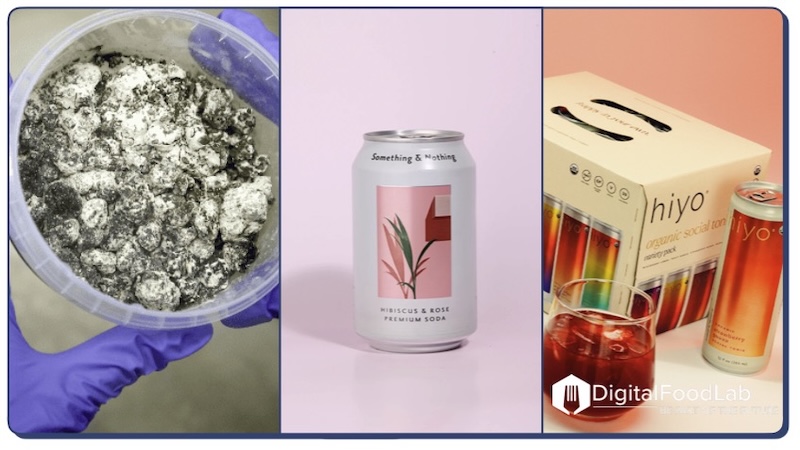
🍫🇬🇧 Fermtech, a British startup, raised £2.5M for its cocoa alternative made by fermenting cocoa shells (a byproduct of cocoa production). It claims its ingredient can reduce chocolate and bakery formulation costs by up to a third.


♻️🇮🇳 Ecoil, an Indian startup, raised $2.5M to expand its supply chain that collects waste oil from restaurants and food businesses for applications in biodiesel and sustainable aviation fuel (SAF).


📲🇧🇬 nFuse, a Bulgarian startup, raised $2M for its AI ordering layer for FMCG brands and distributors. Retailers can place orders via WhatsApp, Viber, or SMS, using voice notes, images, or handwritten lists.


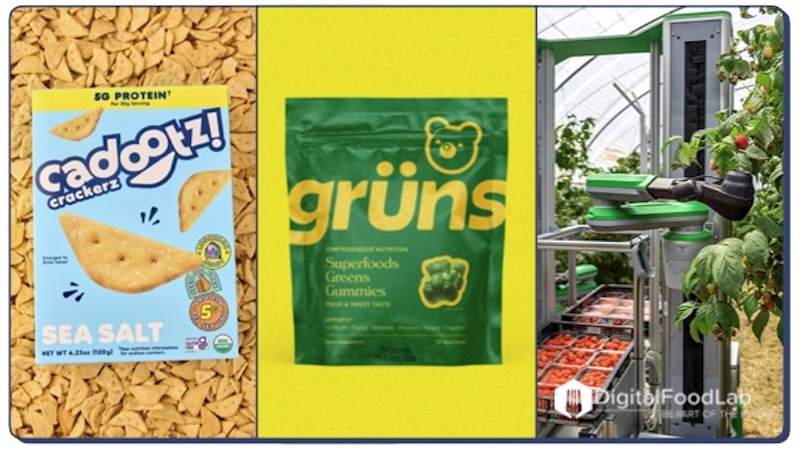
🧒🇺🇸 cadootz!, an American startup, raised $3M+ to support the retail expansion of its organic, seed-oil-free kids snack brand.


🥬🇮🇳 Pluckk, an Indian startup, raised ~$10.8M to expand its premium farm-to-door fresh fruits and vegetables brand into offline retail.


🥔🇮🇱 Finally Foods, an Israeli startup, raised pre-seed funding, bringing total funding to $2.6M for its caseins grown in potatoes using molecular farming.


👃🇳🇿 Scentian Bio, a New Zealand startup, raised $7M to commercialise its digital nose. It uses insect olfactory proteins to detect volatile compounds associated with food spoilage and supply-chain quality.


🍓🇬🇧 Fieldwork Robotics, a British startup, secured £3M to move its raspberry-harvesting robots towards commercial trials.


🥦🇺🇸 Harva, an American startup, raised $113M in debt and equity to build what it calls the operating system for the perishable goods industry.


🌿🇳🇴 Kilter, a Norwegian startup, raised €6.5M led by Kubota (a leading Japanese agriculture machinery company), for its autonomous, precise spraying for high-value crops.


♻️🇺🇸 Nirova, an American startup, raised $3M to expand its real-time monitoring and optimisation platform for anaerobic digesters (to process liquid organic waste from livestock farms, food processing and municipal wastewater into biogas).


⭐ Acquisitions & Bankruptcies

💊🇬🇧🇺🇸 Unilever is acquiring Grüns, an American vitamin gummies brand. Grüns is selling 10 million gummies per day and is also the largest supplier of greens (all-in-one powdered plant-based blends of supplements), competing with AG1, Bloom and IM8. Competition is intense for high-value startup acquisitions. This deal comes after Danone’s acquisition of Huel and signals an acceleration of Unilever’s repositioning away from slower-growth food categories (after it sold off these businesses) and toward higher-margin health and functional consumer products.


🛒🇧🇷 Trela, a Brazilian online grocery startup, has shut down after six years and 100,000+ users, failing to secure its next financing round. It’s a reminder that while grocery-delivery funding remains strong in developing economies, many models still fail to scale quickly enough.


🪲🇭🇺 Agroloop, a Hungarian startup, has entered bankruptcy protection only a year after inaugurating its €30M commercial insect protein plant. This is now becoming a familiar pattern: heavy capex towards industrialisation, a building process that is slower and more expensive than anticipated, insufficient revenue at scale as potential contracts don’t materialise, and finally a quick bankruptcy


📊 Leading Companies & Macro Trends

🔧🇺🇸 John Deere, a giant US agricultural machinery company, settled the US “right to repair” class action for $99M, agreeing to maintain access to repair tools, manuals, and diagnostic software. Beyond the direct benefit for farmers who will be able to repair their tractors themselves, it could also spur more innovation around retrofitting automation.


🌾🇸🇦 Saudi Arabia’s Agricultural Development Fund invested $1.72B in loans in 2025, as part of a broader strategy to increase domestic production, notably by backing new technology projects (such as the new Unibio fermentation facility).


⚠️🌍 A possible “super El Niño” arriving on top of the Iran-war fertiliser shock creates a compound food risk for 2026. Climate-driven droughts or erratic rainfall could amplify yield shortfalls just as input supply is constrained. Potential shortages, supply chain disruptions, and price volatility should be expected across a wide range of food commodities.


🥤🇯🇵🇺🇸 7-Eleven, the US-Japanese convenience store chain, is having a viral merch moment. Through limited drops of branded apparel and other items, this chain, like Lawson and Family Mart in Japan (foreigners are literally storming stores to buy Lawson merch), and also Lidl in Europe to a lesser extent, are becoming lifestyle brands.


🏥🇺🇸 The “Food Is Medicine” movement is entering the US medical mainstream from two directions at once: the progressive Good Food movement (local produce, food equity, sustainability) and RFK Jr.’s conservative MAHA initiative.

You're in a good company

Join the 60+ clients of Digital FoodLab: leading agrifood companies, retailers, banks, investors, startups, and public organisations.

Use case: project for a global F&B company looking to map its AgTech innovation ecosystem and the best startups to partner with

What we did:

  • Mapping of the AgTech ecosystem: startups, research regulators, and other leading companies.
  • Discussion to select areas to focus on.
  • Analysis of the information to reveal the trends and a model to analyse eventual partners.
  • A workshop to validate the opportunities based on our recommendations.
  • Scouting of relevant partners followed by introductions.

Results:

  • Mapping the different categories of innovations in AgTech that should be considered now to create long-term benefits for the business.
  • Identification of key partners (an incubator and a couple of startups).

Use case: project for a CPG company on the healthy ageing ecosystem

What we did:

  • Education of the board through a couple of workshops to define the perimeter
  • Identification of key opportunities and threats created by long-term evolutions (technologies, business models, behavioural changes).
  • Deep dives on each of the priority categories.
  • Co-construction of a vision on how the company should address these challenges.
  • Identification of partners (startups, incubators, funds) to move forward.

Results:

  • Creating a consensus on which categories to prioritise and how to address them.
  • Implementation of an open innovation strategy through the development of partnerships.

Use case: project for a global CPG company to develop a strategy on the healthy ageing ecosystem

What we do (ongoing mission on a subscription model):

  • Kick-off where we present an overview of the AgriFoodTech ecosystem to select with the client the categories to cover and for each, the level of information required.
  • Monthly newsletter: each month we send a newsletter with the articles that we have gathered ranked by relevance, their summaries, and a layer of analysis.
  • Database: we set up a personalised database that will be filled month after month with the information gathered on the companies identified for the watch.
  • Workshops: twice a year with the client’s innovation team and other “innovation curious” team members, we present an overview of the evolutions, key trends and a dashboard of the topics followed by the watch.

Results:

  • A clear, regular and evolutive tool to follow what is happening in terms of innovation on key topics.
  • A forum (through the workshops) to discuss innovation trends and new opportunities.

Use case: opportunity screening for an ingredient company

What we did:

  • Kick-off to define the perimeter of the ecosystem studied.
  • Mapping of the different trends shaping the innovation ecosystem of the client.
  • Analysis of the trends on DigitalFoodLab’s trend curve and other relevant frameworks.
  • Workshop to discuss DigitalFoodLab’s recommendations on key trends to prioritise

Results:

  • Shared view of the innovation ecosystem for the client with a view of the trends to prioritize.
  • Clear document (personalised trend curve) that can be easily shared internaly to explain the company’s innovation choices and which can be then updated each year.

Use case: scouting for an agriculture coop

What we did:

  • Kick-off to define the perimeter of the client, the goals of the scouting (partnerships) and the criteria on which startups should be evaluated.
  • Set-up scouting: we selected the first batch of 20+ key startups following the criteria of the client.
  • On-going scouting: then we set up a quarterly scouting of about ten startups.
  • For each scouted startup, we created an ID card with key information such as the business and technological maturity, funding, and corporate partnerships. We also added an explanation of why we selected this startup.

Results:

  • An ongoing and evolutive scouting are matching the client's criteria and its capabilities in terms of deal flow.

Use case: working on an acquisition process for a CPG company

What we did:

  • Kick-off to define what the client is seeking, notably in terms of maturity.
  • Workshop with the client based on a mapping of the different innovation ecosystems adjacent to its activities to select some priorities and discuss inspiring examples of startup acquisition stories.
  • Identification of 20+ targets.
  • Workshop to select the most relevant to engage with.
  • DigitalFoodLab worked as a sparing partner during the acquisition process, notably to help design how the acquired startup could be integrated into the overall company’s strategy.

Results:

  • Different results from traditional M&A processes with a focus on the client’s innovation strategy.
  • Identification of a good match for an acquisition.

Use case: market due diligence on sugar alternatives

What we did:

  • Kick-off with the client to discuss its interest on this category, its expectations and existing level of information (notably on the target company).
  • Mapping of the ecosystem to analyse the different existing alternatives and technologies to compare them.
  • Interview (calls) with relevant startups made by our internal biotechnology expert.
  • Recommendation on whether to invest or not.

Results:

  • Clear view of the ecosystem and of the reasons to believe (or not) in each sub-category.
  • Enforceable recommendations based on facts and expertise.