When we published our global FoodTech report last year, one of our biggest concerns was the decline in early-stage investment. Fewer startups receiving funding meant fewer opportunities to build the next generation of food and agriculture businesses.
This year, there are early signs that this pipeline is rebuilding.
Our 2026 Global FoodTech Investment Report is out today. Funding remains constrained, but seed activity is picking up, and investment priorities are shifting. Here are three findings that matter for investors and agrifood companies.
1 – Funding remains constrained
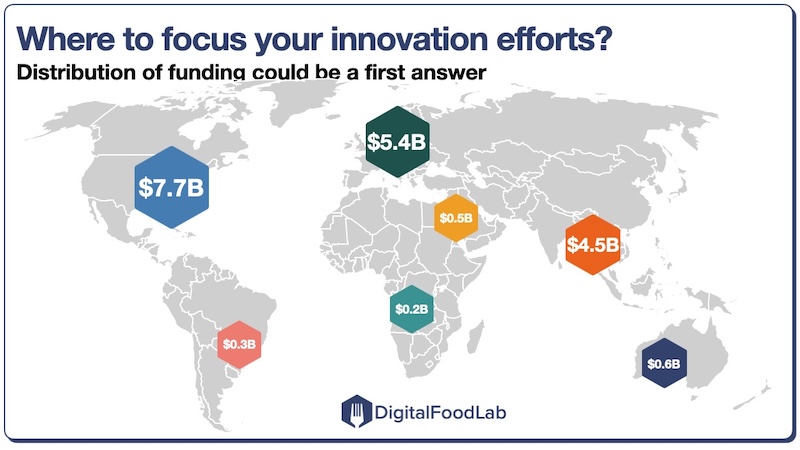
AgriFoodTech startups raised $12.3 billion in 2025, down 27% from 2024. A small increase in the first half of this year remains to be confirmed, and it doesn’t yet indicate a return to a trend of growing investments in the sector.

We are still in what we at DigitalFoodLab call AgriFoodTech “third stage”, where:
- Stage 1 (2012 – 2020): emergence of an AgriFoodTech startup ecosystem, notably around restaurant delivery and agriculture innovation, and then continuous growth with increasingly large ambitions which peaked with a series of IPOs.
- Stage 2 (2020-2022): inflated expectations during the COVID era with excessive funding to scale highly unproven technologies (alternative proteins) and business models (vertical farming, quick-commerce).
- Stage 3 (2022-now): reality check with a strong decline in funding, a continuous wave of bankruptcies and a return to more reasonable expectations. This harsh period is notably marked by a shift from B2C to B2B models.
2 – Early-stage activity is showing signs of renewal
The number of seed rounds recorded in the first half of 2026 nearly matched the total for the whole of 2025. This is an encouraging signal after several years of contraction.

It does not guarantee that these companies will succeed or find funding for their next stage. However, it does suggest that the pipeline of new ventures is starting to fill again with new startups, giving investors and corporate innovation teams new opportunities to consider.
3 – FoodTech’s centre of gravity keeps changing
AgTech and Food Science accounted for 64% of funding in H1 2026, compared with 13% for delivery, which was previously dominant.

We also see inside the data the reflection of some of the trends reshaping the food industry, notably:
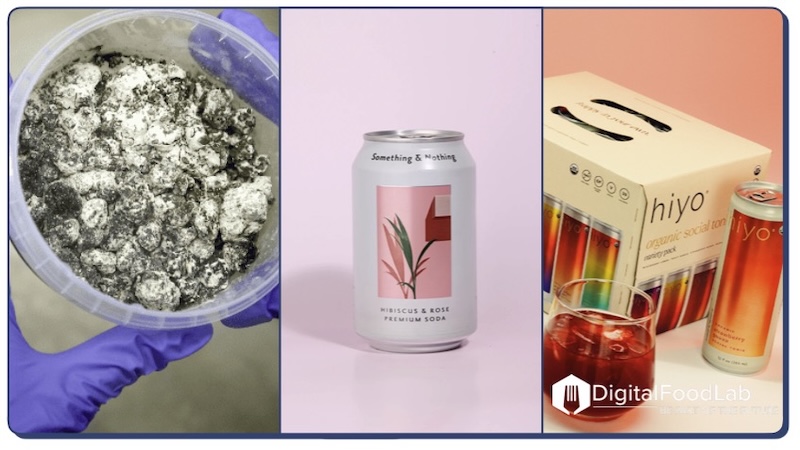
- A boom for health-related topics: categories linked directly with GLP-1 (dietician platforms like Nourish or Oviva) and indirectly (better-for-you food and beverage brands such as David Protein, and supplements like IM8) are rising at an unprecedented speed and are becoming a key target for acquisitions (as mentioned in our recent insight).
- AgTech investment is focusing on productivity and resilience despite the decline in overall funding for the overall category.
- Commercial launches are indicating a new phase for novel ingredients: funding is increasingly going to companies that are entering or nearing a phase of commercialisation for their ingredients developed with alternative protein technologies. Successful applications could support further industrial partnerships and investment, even as the wider alternative protein ecosystem continues to consolidate.
For agrifood companies, these shifts are a reason to revisit innovation priorities: where are new ventures emerging, which potential partners have made progress, and which opportunities deserve closer investigation?
Our 2026 report explores these questions through global funding trends, regional developments and category analysis.
If you are reviewing your innovation priorities, thinking about how to innovate faster, or how to ride the current healthy ageing and GLP-1 waves, reply to this email with the categories you are considering. We can discuss how these developments relate to your business.