19 FoodTech insights and deals to know this week (2026 – week #21)

Published on May 18, 2026

💸 Funding News

🐔🇮🇱🇨🇭 SuperMeat, an Israeli startup, raised $6M for its cultivated chicken. Interestingly, it just filed for regulatory approval in Switzerland while leveraging a distribution deal with a local retailer.


🍄🇬🇧 Adamo Foods, a British startup, received a €10M European grant to scale and commercialise its whole-cut mycelium steaks made with food-industry sidestreams as feedstock.


🧫🇺🇸 Melazyme, an American startup, raised $2M Seed to develop melanin (for cosmetics and suncare) and speciality sweet proteins, including brazzein, through precision fermentation


🍺🇩🇰 Alcolase, a Danish startup, raised €1.5M for its enzyme-based dietary supplement that breaks down alcohol in the stomach (before it enters the bloodstream).


💧🇦🇹 Waterdrop, the Austrian sugar-free hydration cube brand, raised €100M+ to accelerate global retail and digital commerce expansion. The startup says it generates €150M in revenue and operates profitably.


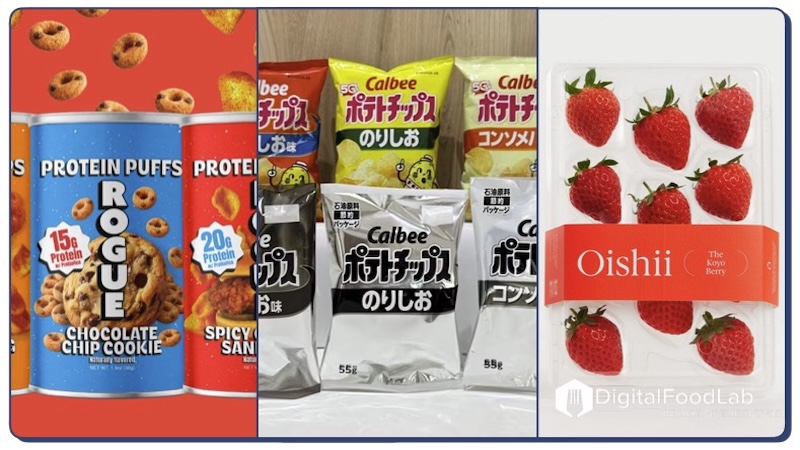
💪🇺🇸 Rogue, an American high-protein snack startup, raised $2.5M and will launch nationally in Walmart stores.


🍓🇺🇸 Oishii, an American startup producing high-end strawberries through vertical farming, closed the first $150M tranche of its Series C to scale up production and distribution. While most players using vertical farming focused on leafy greens, and were never able to find profitability, Oishii, betting on a premium version of an already expensive product, and with a real differentiation,s is now almost alone in its category.


🌱🇧🇪 B-COS, a Belgium-based startup, raised €1M for its crop protection solutions developed using precision fermentation.


🌱🇬🇧 Resurrect Bio, a UK startup, raised $10.3M (an expansion from its $8.1M rouned announced in February). The company uses gene editing to “resurrect” native disease-resistance genes from wild crop relatives that were lost during domestication.


🍽️🇮🇳 Dil Foods, an Indian startup, raised ~$7.7M to grow its network of cloud kitchens where it operates its own set of vertical restaurants focused on Indian regional cuisines.


🗑️🇦🇪 Peekabox, a UAE-based startup, raised $1.5M for a “surprise bag” app where consumers buy discounted mystery boxes of surplus food from 1,000+ restaurants, cafés and retailers at a fraction of the original retail price.


⭐ Acquisitions & Bankruptcies

☠️🇩🇪 Cultimate Foods, a German startup specialising in fat ingredients produced through cellular agriculture, has filed for bankruptcy. It joins the growing list of cellular agriculture and precision-fermentation startups struggling to finance their path to commercialisation.


💊🇺🇸 Function Health, a blood testing startup valued at $2.5B, has acquired SuppCo, a supplement testing and verification app that audits products for label accuracy and active ingredient dosing. We observe a strong increase in activity around blood testing linked with food, activity, and supplement recommendations, making it a key space to watch.


🥇 Leading Companies

🍬🇬🇧🇺🇸 Ingredion has launched a £2.7Bn takeover bid for Tate & Lyle. The two groups are direct peers in food ingredients (sweeteners, starches, texturants, reformulation) with significant overlap. The deal carries meaningful antitrust risk given the combined positions in sweeteners and texture starches. This comes as Tate & Lyle has lost 60% of its value over five years, squeezed between weak consumer demand and GLP-1 acceleration, which is weighing on its core categories.


🍟🇯🇵 Calbee, Japan’s top snack maker, is switching to black-and-white packaging because the war in Iran has disrupted supplies of naphtha, the petroleum derivative used to make coloured printing inks. This is a typical case of the complexity of globalised supply chains with second-order consequences that often go unnoticed.


🍕🇺🇸 Pizza Hut franchisee Chaac Pizza Northeast has filed a $100M lawsuit against Pizza Hut, alleging that the corporate AI system, designed to optimise workflows, caused “cascading operational breakdowns,” longer delivery times, and a collapse in consumer satisfaction. This is a good reminder that while implementing AI systems for efficiency gains is an obvious move, hastily built solutions shouldn’t be deployed without proper testing.


📊 Macro trends

🌽🇺🇸 Interesting opinion piece on why US agriculture is structurally broken as it relies on the wrong metrics of success. Farm bankruptcies rose 46% between 2024 and 2025. Under the “get big or get out” policy, the system has been engineered to maximise soy and corn yields, two crops that mostly flow into biofuels, animal feed, and Chinese exports (a buyer actively decoupling). The result is paradoxical: the US now imports 59% of its fresh fruit and 35% of its vegetables.


⛽🌍 Hedge funds have nearly tripled their net long positions in soybean oil (biodiesel) since the Iran conflict began. As oil prices have risen and the Strait of Hormuz is closed, agricultural commodities are becoming the energy “proxies” and are increasingly correlated to fuel markets. This can be seen in the results of some giants. For example, ADM has already raised its full-year guidance on soy crushing and ethanol margins. Beyond food commodity companies becoming the oil companies of tomorrow, there are much darker consequences: if crops are diverted massively into biofuel rather than food, we could face a severe global food crisis.


🍅🇺🇸 Tomato prices have surged to a multi-year high. Globally, tomatoes, a crop that requires intense use of fertilisers are getting more expensive. In the US specifically, the situation is worse due to a combination of droughts in key supply regions, rising labour costs and tariffs.

You're in a good company

Join the 60+ clients of Digital FoodLab: leading agrifood companies, retailers, banks, investors, startups, and public organisations.

Use case: project for a global F&B company looking to map its AgTech innovation ecosystem and the best startups to partner with

What we did:

  • Mapping of the AgTech ecosystem: startups, research regulators, and other leading companies.
  • Discussion to select areas to focus on.
  • Analysis of the information to reveal the trends and a model to analyse eventual partners.
  • A workshop to validate the opportunities based on our recommendations.
  • Scouting of relevant partners followed by introductions.

Results:

  • Mapping the different categories of innovations in AgTech that should be considered now to create long-term benefits for the business.
  • Identification of key partners (an incubator and a couple of startups).

Use case: project for a CPG company on the healthy ageing ecosystem

What we did:

  • Education of the board through a couple of workshops to define the perimeter
  • Identification of key opportunities and threats created by long-term evolutions (technologies, business models, behavioural changes).
  • Deep dives on each of the priority categories.
  • Co-construction of a vision on how the company should address these challenges.
  • Identification of partners (startups, incubators, funds) to move forward.

Results:

  • Creating a consensus on which categories to prioritise and how to address them.
  • Implementation of an open innovation strategy through the development of partnerships.

Use case: project for a global CPG company to develop a strategy on the healthy ageing ecosystem

What we do (ongoing mission on a subscription model):

  • Kick-off where we present an overview of the AgriFoodTech ecosystem to select with the client the categories to cover and for each, the level of information required.
  • Monthly newsletter: each month we send a newsletter with the articles that we have gathered ranked by relevance, their summaries, and a layer of analysis.
  • Database: we set up a personalised database that will be filled month after month with the information gathered on the companies identified for the watch.
  • Workshops: twice a year with the client’s innovation team and other “innovation curious” team members, we present an overview of the evolutions, key trends and a dashboard of the topics followed by the watch.

Results:

  • A clear, regular and evolutive tool to follow what is happening in terms of innovation on key topics.
  • A forum (through the workshops) to discuss innovation trends and new opportunities.

Use case: opportunity screening for an ingredient company

What we did:

  • Kick-off to define the perimeter of the ecosystem studied.
  • Mapping of the different trends shaping the innovation ecosystem of the client.
  • Analysis of the trends on DigitalFoodLab’s trend curve and other relevant frameworks.
  • Workshop to discuss DigitalFoodLab’s recommendations on key trends to prioritise

Results:

  • Shared view of the innovation ecosystem for the client with a view of the trends to prioritize.
  • Clear document (personalised trend curve) that can be easily shared internaly to explain the company’s innovation choices and which can be then updated each year.

Use case: scouting for an agriculture coop

What we did:

  • Kick-off to define the perimeter of the client, the goals of the scouting (partnerships) and the criteria on which startups should be evaluated.
  • Set-up scouting: we selected the first batch of 20+ key startups following the criteria of the client.
  • On-going scouting: then we set up a quarterly scouting of about ten startups.
  • For each scouted startup, we created an ID card with key information such as the business and technological maturity, funding, and corporate partnerships. We also added an explanation of why we selected this startup.

Results:

  • An ongoing and evolutive scouting are matching the client's criteria and its capabilities in terms of deal flow.

Use case: working on an acquisition process for a CPG company

What we did:

  • Kick-off to define what the client is seeking, notably in terms of maturity.
  • Workshop with the client based on a mapping of the different innovation ecosystems adjacent to its activities to select some priorities and discuss inspiring examples of startup acquisition stories.
  • Identification of 20+ targets.
  • Workshop to select the most relevant to engage with.
  • DigitalFoodLab worked as a sparing partner during the acquisition process, notably to help design how the acquired startup could be integrated into the overall company’s strategy.

Results:

  • Different results from traditional M&A processes with a focus on the client’s innovation strategy.
  • Identification of a good match for an acquisition.

Use case: market due diligence on sugar alternatives

What we did:

  • Kick-off with the client to discuss its interest on this category, its expectations and existing level of information (notably on the target company).
  • Mapping of the ecosystem to analyse the different existing alternatives and technologies to compare them.
  • Interview (calls) with relevant startups made by our internal biotechnology expert.
  • Recommendation on whether to invest or not.

Results:

  • Clear view of the ecosystem and of the reasons to believe (or not) in each sub-category.
  • Enforceable recommendations based on facts and expertise.