💸 Funding News
🌿🇫🇷 Agriodor, a French startup, raised €15M for its crop protection platform using natural plant scents to repel, disorient and slow the reproduction of target pest insects, with no harm to beneficial insects.
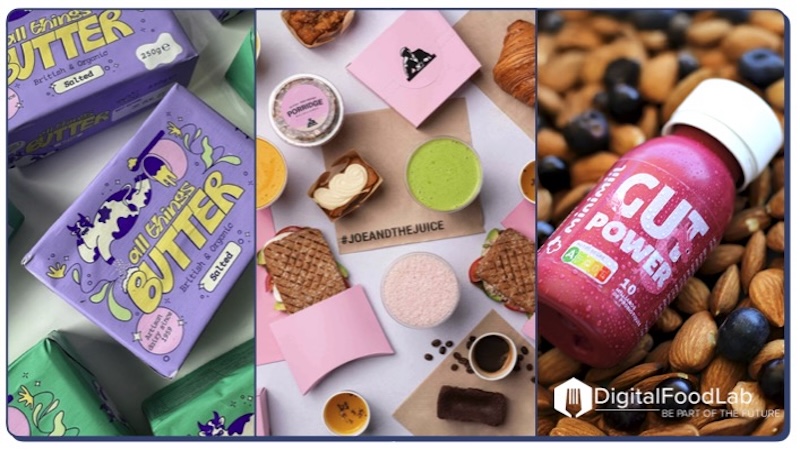
🥛🇬🇧 All Things, a British startup, raised £3.6M to increase the distribution of its high-quality butter brand.
🧫🇺🇸 Sennos, an American startup, raised $20M for its sensing and automation platform for liquid fermentation processes.
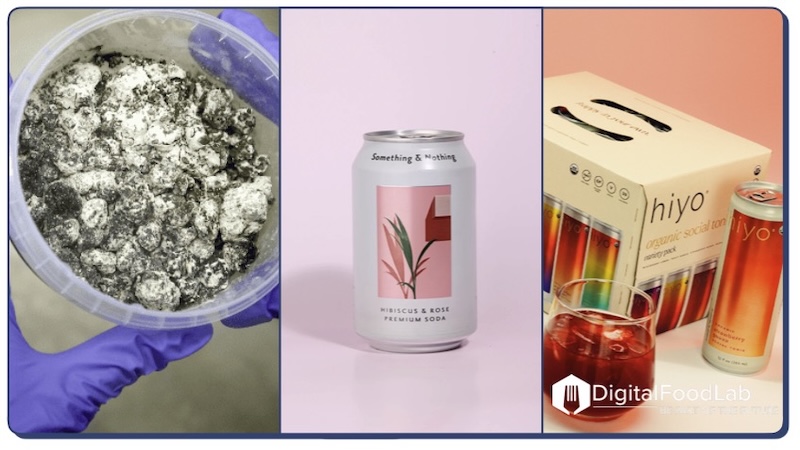
🫒🇬🇧 Clean Food Group, a British startup, raised £4.5M for its facility converting food waste into a source of oils and fats. Its lipids are already approved as a cosmetic ingredient in the UK, the US, and Europe, with food applications in the pipeline.
🥤🇩🇰 Joe & the Juice, a Danish chain, received a minority investment from Abu Dhabi’s Emirates International Investment Company (EIIC) at a $1.8B valuation. The company reported about $500M in revenue in 2025, with a target of 1,000 stores by 2028.
🌾🇸🇬 TechCoop, a Singaporean startup, secured a $12M loan to support agricultural trade financing in Vietnam.
🐾🇺🇸 Bond Pet Foods, an American startup, received a strategic equity investment from Symrise to co-develop precision-fermented proteins for pet nutrition.
🍓🇯🇵 Culta, a Japanese startup, raised ¥700M (~$4.5M) for its speed-breeding platform, which compresses crop variety development from 10+ years to under 2.
💊🇩🇪 Evanium, a German startup, raised €2.2M for its dual-encapsulation technology for nutraceutical and functional food ingredients.
♻️🇺🇸 Divert, an American startup, has become a unicorn via a strategic investment and partnership with Mitsubishi. Divert generates renewable natural gas from food waste (from food it collects from hundreds of retail and manufacturing partners).
🥛🇫🇷 Minimiil, a French startup, raised €1M for its probiotics and prebiotic fibre shots
⭐ Acquisitions, Regulation & Bankruptcies
🦆🇫🇷 Parima, a French cultivated meat startup, has received Singapore regulatory clearance for its cultivated duck, making it the first cultivated meat company globally to hold approval for two animal species (after an approval for Chicken in 2025).
🚜🇺🇸 Monarch Tractor, an American startup, has been acquired by Caterpillar after raising $200M+ over eight years but failing to deliver on its promise of autonomous tractors and an unsuccessful pivot from hardware to software-as-a-service.
🌱🇧🇪🇫🇷 Nestlé has signed a four-year agreement with Soil Capital to scale regenerative agriculture in France, Belgium and the UK. Participating farmers will receive agronomic support, digital tools for practice verification, and financial incentives tied to verified environmental outcomes.
🍫🇺🇸 Mars has announced a ramp-up of its regenerative cocoa programme, targeting net-zero cocoa by 2030, and is expanding its work with cocoa farmers in West Africa to implement regenerative practices, agroforestry, and soil carbon measurement.
🛒🏴 Scotland’s SNP has proposed mandatory price caps on 20–50 essential food items (bread, milk, eggs, rice, chicken) at large supermarkets as a key pledge ahead of the upcoming regional elections. Local retailers are unhappy with the proposal, which they say could cause shortages or a decline in quality.
📊 Leading Companies & Macro Trends
🛒🇮🇳 Flipkart (owned by Walmart) and Amazon are moving fast to squeeze India’s quick commerce players. Flipkart has surpassed 800 dark stores (with plans to double that number by the end of the year). With 6,000 dark stores in operation across the country, there are already significant overlaps between local quick-commerce specialists (Blinkit, Zepto, Swiggy) and the network developed by US-backed giants. This increasingly looks like the delivery war in China, with a race to the bottom in terms of price and margins, and mounting costs for the competitors.
☕🇺🇸 Starbucks has launched a ChatGPT integration allowing users to get drink recommendations based on their mood, cravings or even a photo of their outfit with a link to the Starbucks app for checkout.
🏃🇺🇸 Gatorade is repositioning to address non-athletes consumers with new packaging, new messaging, and no more implicit requirement to be sporty. This follows the growing trend around hydration, which has moved beyond sports and now concerns most consumers.