💸 Top funding deals of the summer
AgTech
🌾 Interesting focus on rice, one of agriculture’s easiest-to-resolve large sources of emissions, with two deals:
- 🇸🇬 Rize, a Singaporean startup, raised $31M for its operations supporting a network of smallholders in Southeast Asia.
- 🇺🇸 Mitti Labs, a US startup, raised $9.5M to develop its methane-reduction and carbon-credit platform across Asian rice farms.
🤖 Multiple robot deals, showing that, as shown in our recent assessment of the resilient farming ecosystem, agricultural robots are “re-emerging” and on the verge of mass adoption:
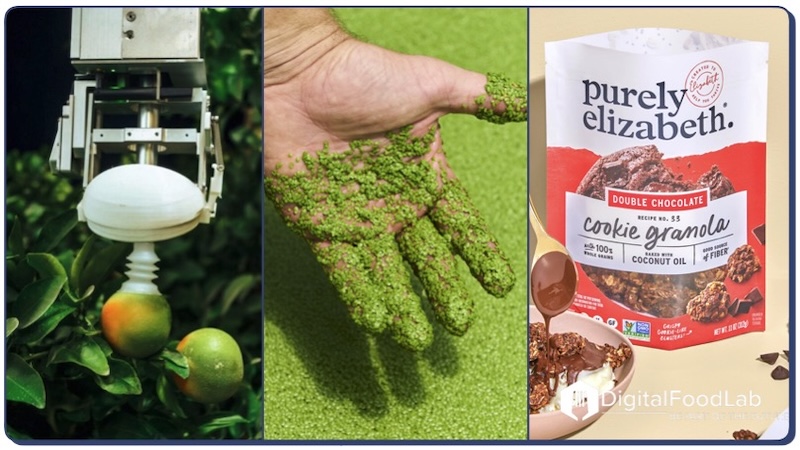
- 🇮🇱 Nanovel, an Israeli startup, secured €2.5M for its multi-arm citrus harvesting robot.
- 🇬🇧 Versatile RobotX, a British startup, raised more than $1.4M for autonomous crop-handling systems.
What’s interesting here is that, while there are large operators, we are still in the infancy of this ecosystem. Due to the diversity of applications, each requiring a different solution, we still have an expanding ecosystem with a widening range of solutions being developed (hence the large amount of early-stage deals).
💧 🇦🇺 Farmbot, an Australian startup, raised $15.7M to expand its satellite-connected livestock water monitoring platform.
🚜 🇫🇷 Aptimiz, a French startup, raised €1.4M to internationalise its field-data collection tool.
🐟🇩🇪 Oceanloop, a German startup, raised €38.5M to build land-based aquaculture farms in Germany and in the Canaries.
🐄🇦🇺 Nybro, an Australian startup, raised $13.2M for its genomics platform for improving cattle breeding.
🌱🇩🇪 Computomics, a German startup, raised €6.3M for its AI platform predicting how crop varieties will perform under heat, drought and other environmental conditions.
💰🇺🇸 Ambrook, a US agri-fintech startup, raised $30M for its financial management platform for independent farm businesses.
🌾🇬🇧 Moa Technology, a British agri-biotech startup, raised €25.9M for the discovery of new herbicides for resistant weeds.
New ingredients and alternative proteins
🌿🇺🇸 Plantible, a US protein startup, raised $35M to expand production of its duckweed-derived RuBisCO protein fivefold.
🥛🇮🇱 Plantopia, an Israeli startup, raised $9M to produce casein in sprouted oats through molecular farming.
🧫🇮🇱 Ever After Foods, an Israeli startup, raised $2M and acquired Belgian cultivated-seafood company Fishway. The combined business will initially target premium pet food, an emerging target for cultivated meat (with an easier path to regulatory approval, notably).
🍄🇸🇪 Millow, a Swedish startup, raised €2M for its oat-and-mycelium meat alternative.
Brands
🥣🇨🇦 Organic Traditions, a Canadian company, raised $10.5M to expand its range of organic superfood and functional-wellness products.
🍓🇺🇸 Smash Foods, a US snack brand, raised $18M for its jam and protein-bites products.
Foodservice
💳🇺🇸 inKind, a US restaurant-finance platform, secured $414M in structured financing, bringing its total capital above $1.2B. It combines upfront restaurant financing with access to the five million diners using its services.
🍽️🇺🇸 MarginEdge, a US startup, raised $80M for its restaurant purchasing, inventory and financial-management platform.
🤖🇺🇸 Palona AI, a US startup, raised $20M in total funding for its restaurant AI operating system, which captures demand across calls, catering, events, and large orders.
⭐ Acquisitions, regulation, bankruptcies & partnerships
🍫🇮🇹 Ferrero Group, the Italian confectionery giant, agreed to acquire Purely Elizabeth, a US better-for-you breakfast brand making granola, oatmeal, and cereal. Following the acquisition of WK Kellogg, this shows Ferrero’s serious efforts at building a breakfast platform ranging from mainstream to premium wellness products.
🌱🇳🇱 Livekindly Collective, the plant-based meat group, agreed to acquire Dutch meat-free player Dalco Food for $7.3M, continuing its European portfolio consolidation
.
🥩🇸🇬 Singapore approved Aleph Farms’ cultivated beef steak, only the second regulatory approval for cultivated beef worldwide, with the Israeli startup targeting a 2027 restaurant launch in the city-state.
📉🇺🇸 ClimateAi, a US climate-resilience platform, is winding down operations, with its CEO citing unspecified “geopolitical and climate headwinds” that have made the mission unsustainable. This is part of a broader movement where we expect more consolidation in this space.
📊 Macro trends
🐕🇺🇸 Researchers are racing to detect and slow ageing in dogs by identifying biological markers that predict how well individual dogs will age, aiming to develop tests that flag health risks proactively. This is a much more serious topic than it may appear: as dogs’ lives are shorter and their owners are more than willing to pay to extend their pets’ lifespans, this field of research is indeed quite active. If it were to deliver meaningful results, it would also have impacts on humans (on both the food and supplement sides).
🍽️🇺🇸 The FDA admitted that defining “ultra-processed foods” is challenging and confirmed it will not move forward with a ban, despite the Trump administration’s earlier push against UPFs.
🍫🇦🇺 “Sniffing chocolate” for gym leg day has become the latest fitness craze, with claims that smelling chocolate boosts workout performance. Unfortunately, don’t get your hopes up too high: the science behind this trend seems really thin.
📱🇰🇷 South Korea’s “dopamine apps” let budget-strapped young people simulate online shopping and food delivery without spending any money, reflecting a broader “shortcut economy” driven by high youth unemployment and rising living costs.
🦆🇧🇷 Brazil signed into law a nationwide ban on foie gras production and sales, becoming the first country in Latin America, and only the second in the world after India to prohibit both production and sale of the prodcut.
🐿️🇬🇧 UK farmers are turning to tougher crop varieties and beaver dams to cope with worsening drought and heatwaves, with beavers’ natural dam-building helping retain water on farmland and slow runoff during droughts.