21 FoodTech insights and deals to know this week (2026 – week #45)

Published on November 2, 2026

💸 Funding News


🧬🇺🇸 DMC Biotechnologies, a US startup, raised $18M to commercialise its ingredients made through precision fermentation, notably for metabolic health and infant nutrition.


🧫🇯🇵 IntegriCulture, a Japanese startup, raised $635K as part of a Series A extension for its cellular agriculture platform, with applications for cultivated meat…. and cosmetics.


🦠🇦🇷 BioClé, an Argentine startup, has raised $500K for bacterial vesicles designed to improve the delivery of bioactive ingredients to intestinal cells.


🍿🇮🇳 Troovy, an Indian startup, raised $10.5M for its snack brand, led by chips and puffs, as it expands into physical retail and additional categories.


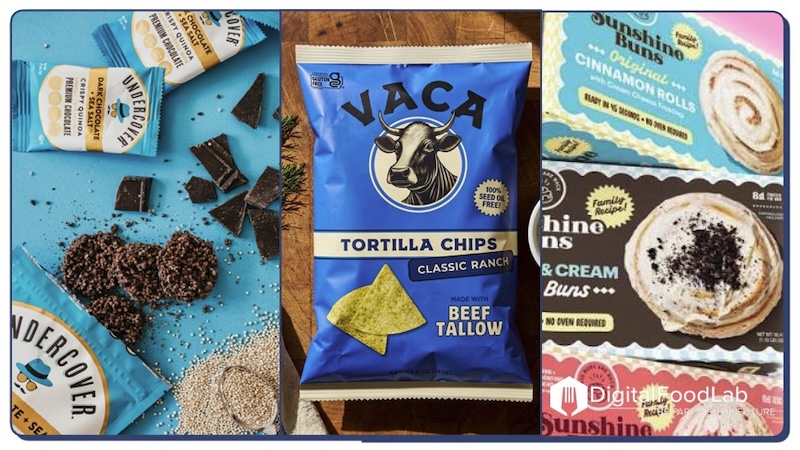
🥐🇺🇸 Sunshine Buns, a US startup, raised $7M for its frozen cinnamon rolls as it expands in retail stores. This and other recent deals show that beyond health claims (and proteinmaxxing), there is still room for indulgence.


🐶🇫🇷 Qru, a French startup, raised €1.65M for its raw dog and cat food business, already distributed through 300 retail outlets.


🌽🇺🇸 Vaca Chips, a US startup, raised $5.6M for its tortilla chips fried in beef tallow. This is its second funding round this year, tapping into demand for snacks made without seed oils.


💊🇮🇳 Ace Blend, an Indian startup, raised $9.9M for its nutrition and supplements brand, including clinical trials to substantiate product claims.


🥪🇺🇸 Sunnie, a US startup, raised $1.6M to expand its children’s lunch kits and snacks.


📱🇳🇱 FLTRD, a Dutch startup, raised over €500K for its app that scores food products by their degree of processing and suggests alternatives.


🪨🇺🇸 Terradot secured a $34M loan to deploy crushed rock on farmland in the US and Brazil, capturing carbon through enhanced rock weathering.


🥬🇺🇸 Loamy, a US startup, raised $6M for its AI platform that helps growers and distributors anticipate quality problems and prevent rejected shipments and food waste.


☀️🇪🇬 NoorNation, an Egyptian startup, raised $1.05M for solar-powered irrigation and off-grid water and energy systems. It is developing a pay-per-use model to replace farmers’ diesel pumps.


🍎🇺🇸 Strella, a US startup, raised $4.25M for sensors and software that monitor fruit ripening, helping suppliers optimise storage and distribution before produce spoils.


📱🇮🇱 Bites, an Israeli startup, raised $40M for its AI platform that turns company procedures into short training videos delivered to food industry workers’ phones.


⭐ Acquisitions, regulation, bankruptcies & partnerships


🛒🇺🇸 DoorDash has agreed to acquire Instacart in a $17B deal, combining grocery technology with restaurant and local delivery. Closing is expected in late 2027 or the first half of 2028, subject to shareholder and regulatory approvals. This is a major consolidation step in the grocery delivery space, as Instacart remains widely used in the US.


🧀🇩🇪🇳🇱 Formo and Those Vegan Cowboys received a joint FDA “no questions” letter for their precision-fermented casein. The review covers use in cheese alternatives and the two companies are now pursuing commercialisation.


🍫🇺🇸 Undercover Snacks, a US brand of chocolate-covered quinoa snacks, sold a majority stake to Mondelēz. Details were not disclosed, but the deal is said to be “significantly smaller” than the usual $500M-$1B acquisition range.


🥇 Leading companies


🍺🇧🇪 AB InBev’s non-beer volumes rose 4% while beer volumes fell 0.1% in Q3. Within its beer portfolio, alcohol-free beer revenue grew 35%, highlighting a different source of growth for the brewer, but also a source of worry for the long-term prospect of the overall alcohol industry.


🥛🇫🇷 Danone reported 4% like-for-like sales growth in Q3, driven mainly by pricing. High-protein products, gut health and medical nutrition remain key growth platforms.


🍽️🇩🇰 GLP-1 pioneer Lotte Bjerre Knudsen (the biochemist who was behind Ozempic at Novo Nordisk) argues that food companies must adapt to customers who want less food and different products. Her point: the pleasure of eating remains, but the quantities and cravings change.


You're in a good company

Join the 60+ clients of Digital FoodLab: leading agrifood companies, retailers, banks, investors, startups, and public organisations.

✕

Use case: project for a global F&B company looking to map its AgTech innovation ecosystem and the best startups to partner with

What we did:

  • Mapping of the AgTech ecosystem: startups, research regulators, and other leading companies.
  • Discussion to select areas to focus on.
  • Analysis of the information to reveal the trends and a model to analyse eventual partners.
  • A workshop to validate the opportunities based on our recommendations.
  • Scouting of relevant partners followed by introductions.

Results:

  • Mapping the different categories of innovations in AgTech that should be considered now to create long-term benefits for the business.
  • Identification of key partners (an incubator and a couple of startups).
✕

Use case: project for a CPG company on the healthy ageing ecosystem

What we did:

  • Education of the board through a couple of workshops to define the perimeter
  • Identification of key opportunities and threats created by long-term evolutions (technologies, business models, behavioural changes).
  • Deep dives on each of the priority categories.
  • Co-construction of a vision on how the company should address these challenges.
  • Identification of partners (startups, incubators, funds) to move forward.

Results:

  • Creating a consensus on which categories to prioritise and how to address them.
  • Implementation of an open innovation strategy through the development of partnerships.
✕

Use case: project for a global CPG company to develop a strategy on the healthy ageing ecosystem

What we do (ongoing mission on a subscription model):

  • Kick-off where we present an overview of the AgriFoodTech ecosystem to select with the client the categories to cover and for each, the level of information required.
  • Monthly newsletter: each month we send a newsletter with the articles that we have gathered ranked by relevance, their summaries, and a layer of analysis.
  • Database: we set up a personalised database that will be filled month after month with the information gathered on the companies identified for the watch.
  • Workshops: twice a year with the client’s innovation team and other “innovation curious” team members, we present an overview of the evolutions, key trends and a dashboard of the topics followed by the watch.

Results:

  • A clear, regular and evolutive tool to follow what is happening in terms of innovation on key topics.
  • A forum (through the workshops) to discuss innovation trends and new opportunities.
✕

Use case: opportunity screening for an ingredient company

What we did:

  • Kick-off to define the perimeter of the ecosystem studied.
  • Mapping of the different trends shaping the innovation ecosystem of the client.
  • Analysis of the trends on DigitalFoodLab’s trend curve and other relevant frameworks.
  • Workshop to discuss DigitalFoodLab’s recommendations on key trends to prioritise

Results:

  • Shared view of the innovation ecosystem for the client with a view of the trends to prioritize.
  • Clear document (personalised trend curve) that can be easily shared internaly to explain the company’s innovation choices and which can be then updated each year.
✕

Use case: scouting for an agriculture coop

What we did:

  • Kick-off to define the perimeter of the client, the goals of the scouting (partnerships) and the criteria on which startups should be evaluated.
  • Set-up scouting: we selected the first batch of 20+ key startups following the criteria of the client.
  • On-going scouting: then we set up a quarterly scouting of about ten startups.
  • For each scouted startup, we created an ID card with key information such as the business and technological maturity, funding, and corporate partnerships. We also added an explanation of why we selected this startup.

Results:

  • An ongoing and evolutive scouting are matching the client's criteria and its capabilities in terms of deal flow.
✕

Use case: working on an acquisition process for a CPG company

What we did:

  • Kick-off to define what the client is seeking, notably in terms of maturity.
  • Workshop with the client based on a mapping of the different innovation ecosystems adjacent to its activities to select some priorities and discuss inspiring examples of startup acquisition stories.
  • Identification of 20+ targets.
  • Workshop to select the most relevant to engage with.
  • DigitalFoodLab worked as a sparing partner during the acquisition process, notably to help design how the acquired startup could be integrated into the overall company’s strategy.

Results:

  • Different results from traditional M&A processes with a focus on the client’s innovation strategy.
  • Identification of a good match for an acquisition.
✕

Use case: market due diligence on sugar alternatives

What we did:

  • Kick-off with the client to discuss its interest on this category, its expectations and existing level of information (notably on the target company).
  • Mapping of the ecosystem to analyse the different existing alternatives and technologies to compare them.
  • Interview (calls) with relevant startups made by our internal biotechnology expert.
  • Recommendation on whether to invest or not.

Results:

  • Clear view of the ecosystem and of the reasons to believe (or not) in each sub-category.
  • Enforceable recommendations based on facts and expertise.
✕