16 FoodTech insights and deals to know this week (2026 – week #39)

Published on September 21, 2026

Signal of the week: FoodTech is moving from “better for the planet” to “better product economics”

Taken together, deals and news from Formo, MicroLub, Ferm Labs and Endless Food Co point towards a significant shift in how food technologies are being commercialised. The argument is increasingly less “replace the incumbent because it is more sustainable”, but deliver better functionality, lower formulation costs, cleaner labels, add a healthy claim or create protection from commodity volatility.

This narrative shift is happening under pressure: startups are having an increasingly hard time raising funding if they don’t show a clear path towards commercialisation and profitability.

💸 Funding News

🛒🇫🇷 Kheops, a French startup, raised €12M for its platform helping supermarkets source and manage products from local suppliers. Kheops digitises the entire process, from supplier onboarding and product listing to ordering, replenishment and invoicing, making local assortments easier for retailers to manage at scale.


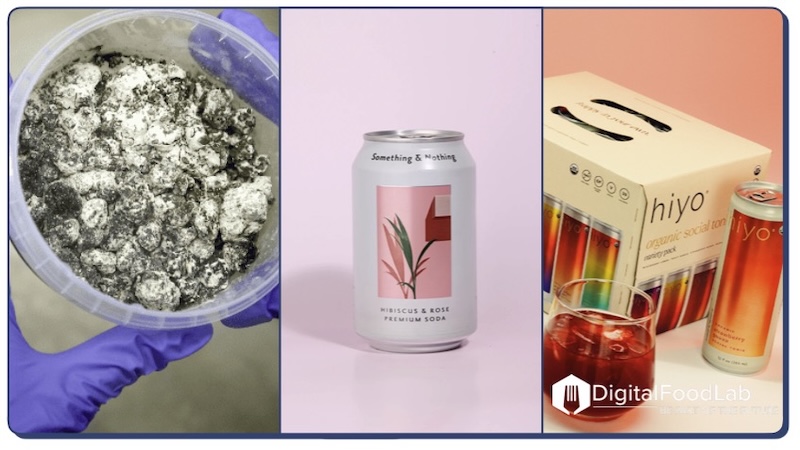
🧈🇬🇧 MicroLub, a British startup, raised $10M for its fat alternatives recreating fat’s lubrication properties. With it, manufacturers can cut fat and calories by up to 75%.


🧪🇨🇭 Ferm Labs, a Swiss-Italian startup, raised €3M for its bioprocessing platform for natural, clean-label ingredients.


🍵🇯🇵 Blue Farm, a Japanese startup, raised $2.3M for its platform that connects corporate buyers directly with tea farms. The model is designed to secure matcha supply while supporting an ageing Japanese tea-farming sector struggling to meet booming international demand.


🌱🇺🇸 Robigo Bio, a US startup, raised an undisclosed amount, notably from Bayer, to move its microbial crop-protection products towards commercialisation.


🥑🇨🇱 Loads, a Chilean startup, secured a $15M credit facility to finance working capital for small and mid-sized agricultural exporters. Its cross-border platform connects food buyers, suppliers and financing.


🧬🇺🇸 Spearhead Bio, a US startup, raised $1.62M for its genome-engineering platform designed to insert or replace large pieces of DNA more precisely in crop genomes, hence aiming to overcome a limitation of conventional CRISPR.


🥤🇺🇸 SOL-TI, a US company, raised $30.3M to expand its functional beverage shots across retail and foodservice.


📹🇨🇴 Emilia AI, a Colombian startup, raised $1.5M, notably from Prosus, for its AI that analyses restaurants through existing security cameras and point-of-sale data. Its agents identify missed upselling opportunities, fraud and operational issues in real time.


⭐ Acquisitions, regulation, bankruptcies & partnerships

🧒🇺🇸 Cerebelly acquired kids-snack brand Fresh Bellies in its first acquisition. The deal broadens Cerebelly’s formats and helps it move towards broader health claims than its brain health core promise.


🥬🇰🇪 Twiga Foods entered administration after raising more than $185M. Once one of Africa’s most heavily funded agrifood startups, Twiga had aimed to digitise fragmented produce distribution between farmers and retailers.


🧫🇺🇸 Ayana Bio and India’s Zenfold acquired Meati Foods’ fermentation equipment for just $75K, including twelve 25,000-litre fermenters representing 300,000 litres of capacity. The equipment will be relocated to India to scale plant-cell-produced bioactives. Meati had raised a total of $365M.


🛵🇺🇸 DoorDash and Wonder signed deals worth $425M: DoorDash will buy Wonder’s Grubhub Campus Dining business for $300M and invest another $125M in Wonder.


🇪🇺🌾 The European Commission launched a new long-term agri-food innovation strategy. The frameworks will guide future EU-funded R&D and put greater emphasis on getting technologies from research into deployment, with priorities including startups and scaleups, resilience, food security, AI, robotics, health and circularity.

📊 Macro trends


🥔🇪🇺 European potato production is heading towards a potential shortage. Output in Germany, France, Belgium and the Netherlands could fall from 27.3M tonnes in 2025 to 19.5–20.5M this year, while processing potatoes have jumped from around €30 to as much as €250 per tonne, an illustration of the growing volatility climate extremes can create in agricultural supply chains.


🍔🇨🇳 McDonald’s has started delivering meals by drone in Shanghai through Meituan, with a dedicated route delivering orders to waterfront kiosks in around ten minutes. Meituan has now completed more than 1M paid drone deliveries.


You're in a good company

Join the 60+ clients of Digital FoodLab: leading agrifood companies, retailers, banks, investors, startups, and public organisations.

✕

Use case: project for a global F&B company looking to map its AgTech innovation ecosystem and the best startups to partner with

What we did:

  • Mapping of the AgTech ecosystem: startups, research regulators, and other leading companies.
  • Discussion to select areas to focus on.
  • Analysis of the information to reveal the trends and a model to analyse eventual partners.
  • A workshop to validate the opportunities based on our recommendations.
  • Scouting of relevant partners followed by introductions.

Results:

  • Mapping the different categories of innovations in AgTech that should be considered now to create long-term benefits for the business.
  • Identification of key partners (an incubator and a couple of startups).
✕

Use case: project for a CPG company on the healthy ageing ecosystem

What we did:

  • Education of the board through a couple of workshops to define the perimeter
  • Identification of key opportunities and threats created by long-term evolutions (technologies, business models, behavioural changes).
  • Deep dives on each of the priority categories.
  • Co-construction of a vision on how the company should address these challenges.
  • Identification of partners (startups, incubators, funds) to move forward.

Results:

  • Creating a consensus on which categories to prioritise and how to address them.
  • Implementation of an open innovation strategy through the development of partnerships.
✕

Use case: project for a global CPG company to develop a strategy on the healthy ageing ecosystem

What we do (ongoing mission on a subscription model):

  • Kick-off where we present an overview of the AgriFoodTech ecosystem to select with the client the categories to cover and for each, the level of information required.
  • Monthly newsletter: each month we send a newsletter with the articles that we have gathered ranked by relevance, their summaries, and a layer of analysis.
  • Database: we set up a personalised database that will be filled month after month with the information gathered on the companies identified for the watch.
  • Workshops: twice a year with the client’s innovation team and other “innovation curious” team members, we present an overview of the evolutions, key trends and a dashboard of the topics followed by the watch.

Results:

  • A clear, regular and evolutive tool to follow what is happening in terms of innovation on key topics.
  • A forum (through the workshops) to discuss innovation trends and new opportunities.
✕

Use case: opportunity screening for an ingredient company

What we did:

  • Kick-off to define the perimeter of the ecosystem studied.
  • Mapping of the different trends shaping the innovation ecosystem of the client.
  • Analysis of the trends on DigitalFoodLab’s trend curve and other relevant frameworks.
  • Workshop to discuss DigitalFoodLab’s recommendations on key trends to prioritise

Results:

  • Shared view of the innovation ecosystem for the client with a view of the trends to prioritize.
  • Clear document (personalised trend curve) that can be easily shared internaly to explain the company’s innovation choices and which can be then updated each year.
✕

Use case: scouting for an agriculture coop

What we did:

  • Kick-off to define the perimeter of the client, the goals of the scouting (partnerships) and the criteria on which startups should be evaluated.
  • Set-up scouting: we selected the first batch of 20+ key startups following the criteria of the client.
  • On-going scouting: then we set up a quarterly scouting of about ten startups.
  • For each scouted startup, we created an ID card with key information such as the business and technological maturity, funding, and corporate partnerships. We also added an explanation of why we selected this startup.

Results:

  • An ongoing and evolutive scouting are matching the client's criteria and its capabilities in terms of deal flow.
✕

Use case: working on an acquisition process for a CPG company

What we did:

  • Kick-off to define what the client is seeking, notably in terms of maturity.
  • Workshop with the client based on a mapping of the different innovation ecosystems adjacent to its activities to select some priorities and discuss inspiring examples of startup acquisition stories.
  • Identification of 20+ targets.
  • Workshop to select the most relevant to engage with.
  • DigitalFoodLab worked as a sparing partner during the acquisition process, notably to help design how the acquired startup could be integrated into the overall company’s strategy.

Results:

  • Different results from traditional M&A processes with a focus on the client’s innovation strategy.
  • Identification of a good match for an acquisition.
✕

Use case: market due diligence on sugar alternatives

What we did:

  • Kick-off with the client to discuss its interest on this category, its expectations and existing level of information (notably on the target company).
  • Mapping of the ecosystem to analyse the different existing alternatives and technologies to compare them.
  • Interview (calls) with relevant startups made by our internal biotechnology expert.
  • Recommendation on whether to invest or not.

Results:

  • Clear view of the ecosystem and of the reasons to believe (or not) in each sub-category.
  • Enforceable recommendations based on facts and expertise.
✕