If one topic is making waves in all categories in the food industry, that’s definitely ultra-processing. Recent data published this month show that consumers are finally looking to change their habits. But rather than moving away from processed foods altogether, they are rather switching brands. If this move is confirmed, this could have very negative consequences for leading food companies which are strategically unprepared to face this challenge.
What makes this debate both fascinating and frustrating is that it circles around two complex and yet unanswered questions:
- Is ultra-processing intrinsically bad for health, or could some elements be identified and excluded?
- How can we move beyond ultra-processed (hence cheap and convenient food products) if consumers are not ready to pay more for their diets?
What is the problem with ultra-processed foods (UPF)?
UPF comes from the Nova classification, which Brazilian researchers defined in 2009. As the graph below shows, it is a pretty simple system for classifying food into four groups.

UPF is defined as “industrially manufactured food products made up of several ingredients […] and food substances of no or rare culinary use”. In a word, these are products made of ingredients that you wouldn’t find in your kitchen cupboard.
This high level of processing brings many benefits to the industry, notably long shelf lives and uniformisation, enabling companies to create global brands where a product will taste the same in widely different places and climates. For consumers, beyond durability, convenience, and taste, UPFs have the main advantages. Products such as ready-to-eat foods have been a societal game changer and have been part of why millions of women have started participating in the workforce.
Alongside the Nova classification, researchers have noticed correlations between UPF and obesity, diabetes and a wide range of conditions (such as this recent study on UPFs linked with Parkinson’s disease).

However, proving the link is not easy. As you can see in the graph above, even if there is a link, it’s not always the case. In multiple Asian countries, we can observe a relatively high share of UPFs consumed combined with low levels of obesity. Due to the simple definition of UPF, very different products enter the category, some potentially better than others.
One key differentiator of UPFs is their high palatability (they taste good, are easy to eat due to their structure, and make you end the bag of chips without noticing it). A recently published study showed that a diet based almost uniquely on UPFs with a texture that makes them slow to eat would consume nearly 400 fewer calories than if they were fast-eating ones.
What are consumers doing about it?
If we look at the data from the past year, consumers are starting to get worried. Sales for products associated with ultra-processing, like snacks and cereals, are decreasing for the first time in a long time.

Beyond the aggregate sales data, this report shares fascinating data points on the evolution of the market share. In high inflation and economic concerns, we could have expected a significant shift towards private-label brands. Sales of leading brands are declining quite severely in areas associated with ultra-processing, but are mostly being substituted by new, emerging brands.
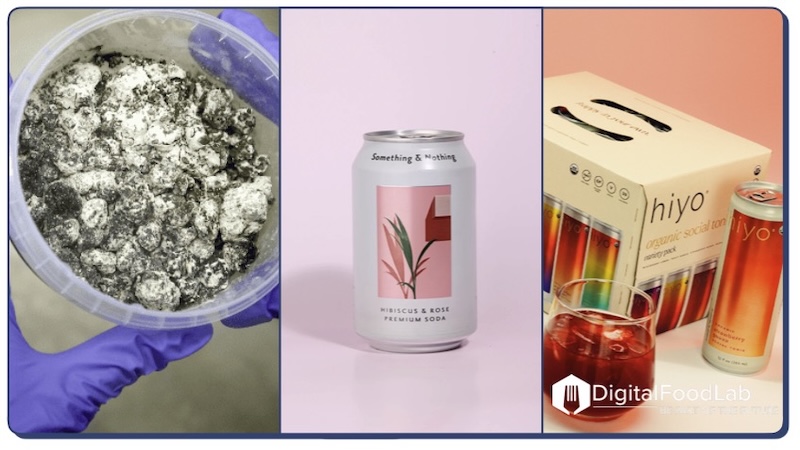
Cereals and protein bars are a perfect example, with the rise of a wave of “insurgent brands” such as Legendary, David, or Magic Spoon. These are still very much UPF products, but through their marketing and transparent and shortened ingredient lists, they are perceived as cleaner and healthier alternatives to established brands.
What’s next for UPFs and leading players?
There is still an intense debate around ultra-processing, notably around the definition (a discussion in part fed by the plant-based meat ecosystem, which is looking to assert that even as UPFs, they are healthy products).
Now, for leading agrifood companies, the way forward is quite obvious:
- Clean as many existing products as possible, keeping the convenience and taste that consumers love.
- Acquire new, smaller, and nimbler brands that can interact with consumer demands. It should also be noted that the perception of processing is not shared across geographies, compounding the need for diversification.
Most companies started cleaning their recipes years ago, and it has only been accelerated by the current US administration’s fight against some controversial food additives. However, for the second part, it is interesting to observe that the industry is moving in the opposite direction. Many leading companies are reducing the size of their portfolio to focus on a handful of globally known brands. While this path is certainly profitable in the short term, it looks pretty hazardous considering what we’ve seen above. For companies and leaders aiming for long-term growth, now is the time to explore alternative strategies, either by acquiring emerging brands or by investing in new product lines aligned with evolving consumer expectations.