Today, I’d like to share three graphs about the need for innovation around brands, and more specifically, alcoholic beverages.
1 – Alcohol consumption is decreasing, and the movement is here to stay
As you can see on this first graph, the consumption of alcohol has been falling since COVID. However, the movement had actually been quite noticeable for several decades in the most developed countries. The hope was that the accession of billions of people into the middle class would create an ever-growing pool of consumers.

But that’s not what’s happening. Consumption is now declining everywhere and is reaching all categories, as the latest quarterly results from the sector’s giants have shown. AbInbev sales are down, triggering a 9% decline in its stock value. The sector is so widely affected that flat sales such as those of Diageo are seen as positive news. Even luxury brands are affected by the decline (even if the reasons are different), with companies like Moët Hennessy, the consortium of high-end spirits and champagnes of LVMH, going through its own crisis.

Far from being transitory, this downward trend is going to stay with us. A recent update on American consumers shows that health is an increasing concern, and that a growing majority is ready to make significant sacrifices to increase their health span, including stopping drinking. This is even more true for younger generations, who drink less both for health reasons and for a lack of in-person socialisation. And far from being a US or Western thing, this is a global phenomenon which can also be observed in countries like Japan.
2 – Consequences beyond alcohol sales
Alongside the sales of alcohol by major companies, this has an impact on many other areas. One example is the fact that a pub closes every week in the UK. Another is that craft beer, which was the rising force of the spirit world, is now not faring well.

However, even there, the growth has stalled. For the first time in 20 years, the number of breweries has started to decline in the US (the home country of the craft beer movement). This matters because it shows that absorbing these new brands won’t be enough for the incumbent leaders to maintain their volumes and margins afloat. Even among the leading craft beer brands, the “adolescence” is complicated, with few of them really profitable. Indeed, how do you scale a thing whose value lies in being independent, somewhat localised, and related to craftsmanship?
3 – What’s next for alcohol and brands?
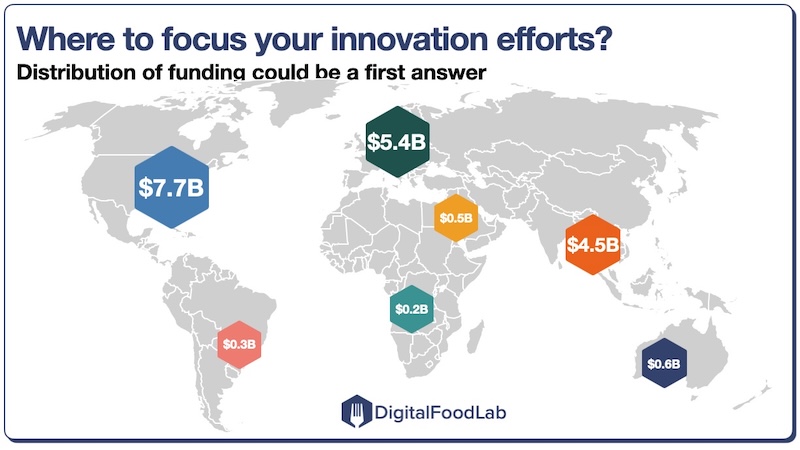
As shown in our recently published report on the state of the global FoodTech innovation ecosystem, the only space where we observe a meaningful number of exits is around new brands, notably brands that successfully combine innovation with health benefits.

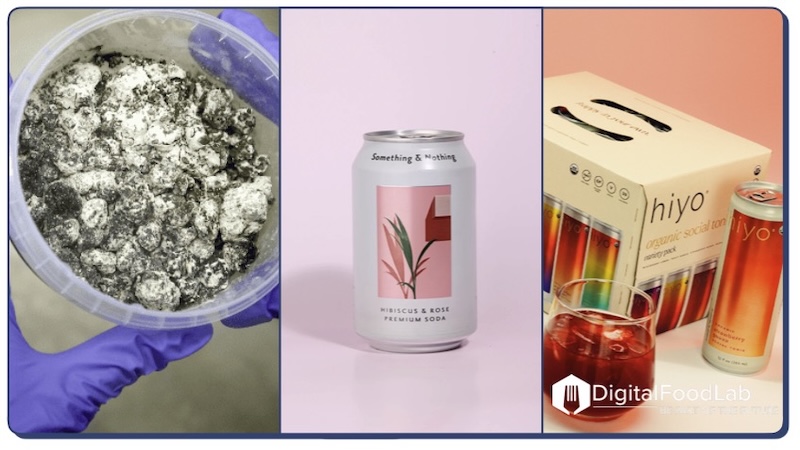
For the spirit world, until now, this has mostly meant focusing on premiumisation with key brands while betting in low and no-alcohol (through their own brands or acquisitions). Only the latter is working reasonably well, but not enough to compensate for the decrease in volumes of the past years.
Only through much more disruptive innovation will market leaders survive in the coming decades. Some are starting more risky bets (such as Pernod Ricard’s investments in startups like Liquid Death. In the short term, we still expect more consolidation focused on premium brands, and then probably more innovation as the conditions worsen. While spirits may look far from the daily concerns of most agrifood businesses, what’s happening in that space could reveal patterns of what we’ll see in many other areas in a few years (a decrease in consumption due to health concerns and an overall ageing population).