14 FoodTech news to know this week (2025 – week #37)

Published on September 8, 2025

💸 Funding news

🇺🇸 🍎 Orchard Robotics, an American startup, raised $22M to expand its precision agriculture platform dedicated to orchards. It uses a tractor-mounted camera to assess fruit and plant health, providing real-time, actionable data to farmers.


🇮🇳 🛒 CityMall, an Indian social commerce startup, raised $47M to scale its grocery delivery model in tier 2 and 3 cities.


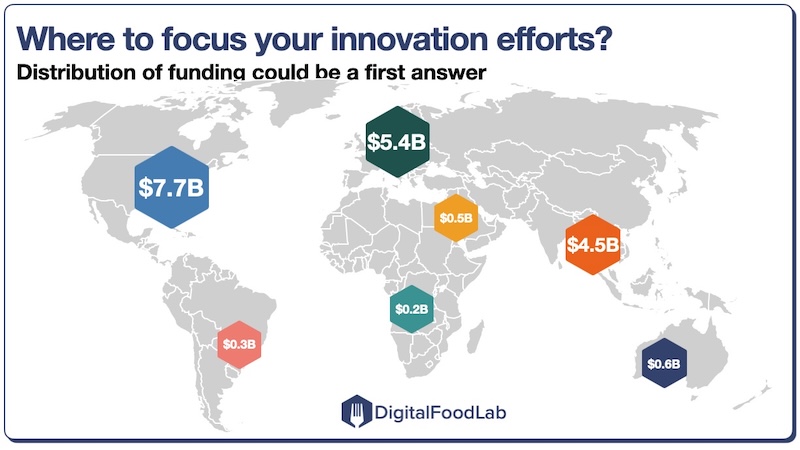
🇮🇳 🥫 FirstClub, an Indian startup, raised $23M at an impressive $120M valuation for its grocery delivery. Instead of competing on speed like other Indian players (even if it still operates the quick-commerce model with dark stores), it focuses on premium products. While food and grocery delivery innovation has slowed in most developed economies, it is still very strong in Asia, especially in India and China. These two countries should be looked at with great care by retailers and even more by CPG manufacturers for a hint of how consumers will access food in the future.


🇫🇮 🥛 Finnish Food Factory raised €10M to develop its contract manufacturing capabilities in plant-based dairy.


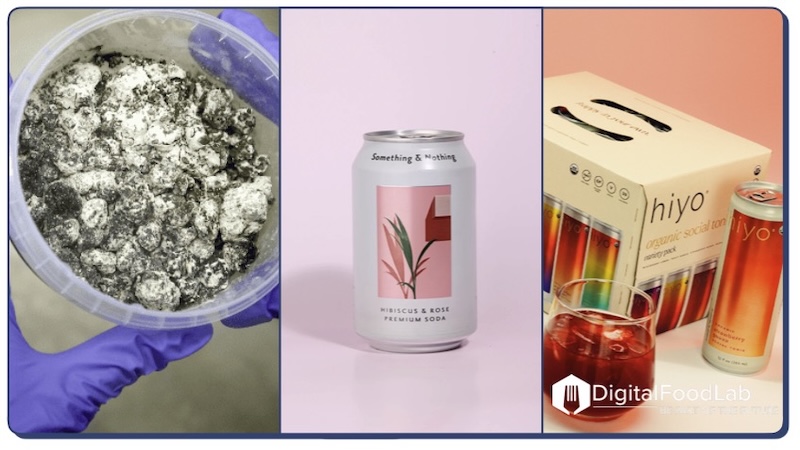
🇫🇮 🐟 SuperGround, a Finnish startup, raised €1.15M to upcycle poultry bones into consumer products (like burgers and nuggets).


🇺🇸 🚚 HappyRobot raised $44M to build AI agents for freight operators, including food logistics.


🇫🇷 🌱 NeoEarth, a French startup, raised €1M for its solutions to improve the production of microalgae for human and animal nutrition.


🇬🇧 🌿 Xampla, a UK-based startup, raised $14M to scale its compostable alternative to single-use plastics with natural polymer alternatives made from plant proteins.


🤝 Acquisitions, Partnerships & Bankruptcies

🇫🇷 🇩🇰 🇪🇨 BioMar, Innovafeed, and Auchan launched a sustainable shrimp feed model, leveraging the French startup’s insect protein to feed shrimp at an industrial scale.


🇸🇬 🐟 Umami Bioworks, a Singapore-based startup, received EU approval for its cultivated fish… for pet food applications.


📊 Leading Companies & Macro Trends

🇺🇸 🧬 Cultivated meat startups are suing Texas over its ban on cultivated meat, citing constitutional violations.


🇺🇸 🧀 Kraft Heinz will split into two entities, a decade after the 2015 $46B merger, which never delivered the promised efficiency results.


🔥 👨‍💼 Not a good time for food leaders: Nestlé’s CEO was dismissed abruptly after its relationship with a direct report was revealed to the board. Suntory’s (a global beverage leader) CEO resigned amid a drug investigation.


🌍 🥩 World meat prices reached new highs, driven by demand from Asia and lower US supply.

You're in a good company

Join the 60+ clients of Digital FoodLab: leading agrifood companies, retailers, banks, investors, startups, and public organisations.

Use case: project for a global F&B company looking to map its AgTech innovation ecosystem and the best startups to partner with

What we did:

  • Mapping of the AgTech ecosystem: startups, research regulators, and other leading companies.
  • Discussion to select areas to focus on.
  • Analysis of the information to reveal the trends and a model to analyse eventual partners.
  • A workshop to validate the opportunities based on our recommendations.
  • Scouting of relevant partners followed by introductions.

Results:

  • Mapping the different categories of innovations in AgTech that should be considered now to create long-term benefits for the business.
  • Identification of key partners (an incubator and a couple of startups).

Use case: project for a CPG company on the healthy ageing ecosystem

What we did:

  • Education of the board through a couple of workshops to define the perimeter
  • Identification of key opportunities and threats created by long-term evolutions (technologies, business models, behavioural changes).
  • Deep dives on each of the priority categories.
  • Co-construction of a vision on how the company should address these challenges.
  • Identification of partners (startups, incubators, funds) to move forward.

Results:

  • Creating a consensus on which categories to prioritise and how to address them.
  • Implementation of an open innovation strategy through the development of partnerships.

Use case: project for a global CPG company to develop a strategy on the healthy ageing ecosystem

What we do (ongoing mission on a subscription model):

  • Kick-off where we present an overview of the AgriFoodTech ecosystem to select with the client the categories to cover and for each, the level of information required.
  • Monthly newsletter: each month we send a newsletter with the articles that we have gathered ranked by relevance, their summaries, and a layer of analysis.
  • Database: we set up a personalised database that will be filled month after month with the information gathered on the companies identified for the watch.
  • Workshops: twice a year with the client’s innovation team and other “innovation curious” team members, we present an overview of the evolutions, key trends and a dashboard of the topics followed by the watch.

Results:

  • A clear, regular and evolutive tool to follow what is happening in terms of innovation on key topics.
  • A forum (through the workshops) to discuss innovation trends and new opportunities.

Use case: opportunity screening for an ingredient company

What we did:

  • Kick-off to define the perimeter of the ecosystem studied.
  • Mapping of the different trends shaping the innovation ecosystem of the client.
  • Analysis of the trends on DigitalFoodLab’s trend curve and other relevant frameworks.
  • Workshop to discuss DigitalFoodLab’s recommendations on key trends to prioritise

Results:

  • Shared view of the innovation ecosystem for the client with a view of the trends to prioritize.
  • Clear document (personalised trend curve) that can be easily shared internaly to explain the company’s innovation choices and which can be then updated each year.

Use case: scouting for an agriculture coop

What we did:

  • Kick-off to define the perimeter of the client, the goals of the scouting (partnerships) and the criteria on which startups should be evaluated.
  • Set-up scouting: we selected the first batch of 20+ key startups following the criteria of the client.
  • On-going scouting: then we set up a quarterly scouting of about ten startups.
  • For each scouted startup, we created an ID card with key information such as the business and technological maturity, funding, and corporate partnerships. We also added an explanation of why we selected this startup.

Results:

  • An ongoing and evolutive scouting are matching the client's criteria and its capabilities in terms of deal flow.

Use case: working on an acquisition process for a CPG company

What we did:

  • Kick-off to define what the client is seeking, notably in terms of maturity.
  • Workshop with the client based on a mapping of the different innovation ecosystems adjacent to its activities to select some priorities and discuss inspiring examples of startup acquisition stories.
  • Identification of 20+ targets.
  • Workshop to select the most relevant to engage with.
  • DigitalFoodLab worked as a sparing partner during the acquisition process, notably to help design how the acquired startup could be integrated into the overall company’s strategy.

Results:

  • Different results from traditional M&A processes with a focus on the client’s innovation strategy.
  • Identification of a good match for an acquisition.

Use case: market due diligence on sugar alternatives

What we did:

  • Kick-off with the client to discuss its interest on this category, its expectations and existing level of information (notably on the target company).
  • Mapping of the ecosystem to analyse the different existing alternatives and technologies to compare them.
  • Interview (calls) with relevant startups made by our internal biotechnology expert.
  • Recommendation on whether to invest or not.

Results:

  • Clear view of the ecosystem and of the reasons to believe (or not) in each sub-category.
  • Enforceable recommendations based on facts and expertise.