#DFNews : l’actualité FoodTech – mars 2018

Published on March 15, 2018

Bonjour à tous,

les actualités sont toujours riches dans la FoodTech, avec de nouveaux succès et de belles levées de fonds. Cependant, nous sommes convaincus à DigitalFoodLab que l’on apprend plus des échecs. C’est pour ça que je vais commencer par vous parler du projet Bot Burger ou comment créer, développer et décider d’arrêter une startup food en quelques mois. Plusieurs éléments à retenir :

– pour les entrepreneurs : savoir s’arrêter quand un projet ne “marche pas” du point de vue économique, même s’il génère des métriques intéressantes

– pour les industriels, distributeurs et autres entreprises : la possibilité de tester rapidement avec quelques moyens internes (financer le travail d’une ou deux personnes notamment) des projets. S’il fonctionne, c’est parfait, s’il ne fonctionne pas, cela a créé à minima de la stimulation en interne et fournit des éléments d’apprentissage pour une prochaine expérience.

– pour tous : on peut monter un projet avec peu ou pas de moyens en réunissant des briques déjà disponibles. Le résultat n’est pas parfait, mais on a en quelques jours le moyen de vérifier l’existence d’un marché avant de financer des développement plus lourds. Bref, merci à Anissia pour ce retour et bon courage pour les nouveaux projets !

Matthieu Vincent


deliveryretail Delivery & Retail

CommenSense Robotics raises $20M for robotics tech for online grocery fulfilment

CommonSense Robotics, une startup israélienne, vient de lever 20 millions de dollars. L’objectif de la société est de fournir à tous les distributeurs, même les plus petits, les moyens d’automatiser le processus de composition des commandes clients pour répondre à la demande croissante du “one hour delivery”. La startup combine une offre de plusieurs robots et d’intelligence artificielle permettant de guider ceux-ci de manière optimale dans un entrepôt. CommonSense Robotics affirme diviser le temps de composition d’une commande par 10.


DoorDash raises $535M to fuel food delivery war

Un investissement impressionnant de SoftBank dans la startup DoorDash : 535 millions de dollars. DoorDash est un concurrent de Deliveroo ou UberEats. Le point le plus notable est peut être que cet investissement n’a pas été fait dans le leader du marché ni dans la startup ayant déjà le plus levé de fonds. Il s’agit donc d’un pari d’ampleur pour construire un leader très rapidement avec un investissement massif.


Carrefour lance la première blockchain alimentaire pour ses “filières Qualité”

Carrefour lance une première expérimentation dans la blockchain sur sa filière poulet. Sur le modèle de ce que fait Walmart, ou de ce que propose la startup Provenance, le consommateur pourra flasher un QR code qui contiendra l’information sur l’origine de la viande et notamment son élevage. La thématique blockchain semble intéresser les distributeurs français, avec il y a quelques semaines un hackathon sur la thématique organisé par Casino (lien).


foodscienceFood Science

Just thinks it can cure malnutrition in Africa

Just, startup anciennement connue sous le nom d’Hampton creeks et pour sa mayonnaise végétale et sans oeufs Just Mayo, vient d’annoncer le lancement d’un produit annoncé comme devant résoudre le problème de la faim en Afrique de l’ouest. Le produit, une poudre basée sur du manioc, est sensé répondre à l’ensemble des besoins nutritionnels de la population et être adapté aux goûts locaux. Cette initiative témoigne de l’intérêt des entrepreneurs FoodTech pour fournir à la fois des produits plus sains, plus durables (notamment végétaux) et permettant de nourrir l’ensemble de l’humanité.


Tea-brewing hasn’t changed in 100 years. These tea crystals could change that

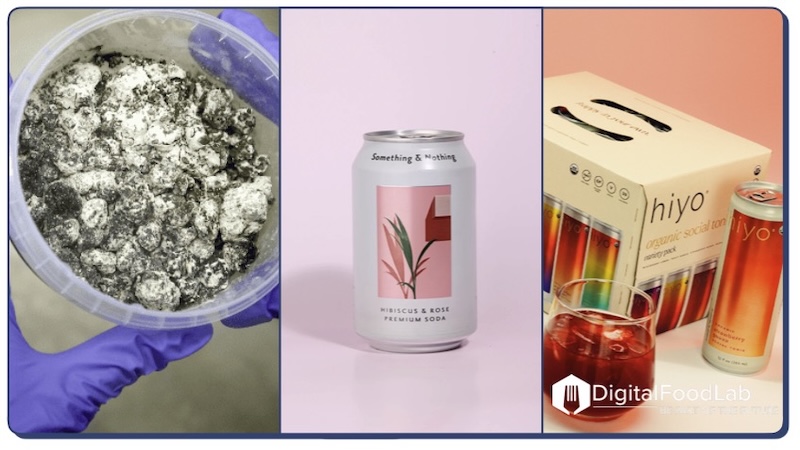
Pique propose une nouvelle façon de consommer le thé. Avec Pique, fini les infusions trop longues ou trop courtes. Le produit se présente comme un saché de café instantané avec à l’intérieur des cristaux qui se dissolvent dans l’eau. Deux ans après son lancement, la startup propose son thé dans plus de 1500 magasins au prix de 10$ les 14 sachets, un positionnent haut de gamme. Cette startup illustre parfaitement le domaine foodscience où un mélange de technologie et de tradition peut rendre accessible un produit bon pour la santé à un public beaucoup plus large.


Researchers tattoo data into food’s outer layer

Le sujet de la traçabilité alimentaire est de plus en plus prégnant, avec de nombreuses recherches et essais, notamment sur la blockchain. Cependant, comment s’assurer de la qualité de l’information autrement que par de l’étiquetage ? Cela est particulièrement complexe dans le cas des fruits et légumes, à moins de les emballer. Des chercheurs ont révélé une solution particulièrement intéressante avec un système de « tatouage » des produits frais avec du graphène, un produit comestible.


agtechAgTech

Sencrop, la station connectée pour les agriculteurs

Présentation de la startup Sencrop, créée en janvier 2016, acteur de l’agriculture de précision. Avec ses données, Sencrop permet aux agriculteurs un suivi l’épandage dans le temps afin de le limiter à des zones précises et dans des quantités plus faibles. L’article permet de faire un point sur la startup et d’avoir la vision de ses fondateurs sur leurs perspectives et concurrence.

You're in a good company

Join the 60+ clients of Digital FoodLab: leading agrifood companies, retailers, banks, investors, startups, and public organisations.

Use case: project for a global F&B company looking to map its AgTech innovation ecosystem and the best startups to partner with

What we did:

  • Mapping of the AgTech ecosystem: startups, research regulators, and other leading companies.
  • Discussion to select areas to focus on.
  • Analysis of the information to reveal the trends and a model to analyse eventual partners.
  • A workshop to validate the opportunities based on our recommendations.
  • Scouting of relevant partners followed by introductions.

Results:

  • Mapping the different categories of innovations in AgTech that should be considered now to create long-term benefits for the business.
  • Identification of key partners (an incubator and a couple of startups).

Use case: project for a CPG company on the healthy ageing ecosystem

What we did:

  • Education of the board through a couple of workshops to define the perimeter
  • Identification of key opportunities and threats created by long-term evolutions (technologies, business models, behavioural changes).
  • Deep dives on each of the priority categories.
  • Co-construction of a vision on how the company should address these challenges.
  • Identification of partners (startups, incubators, funds) to move forward.

Results:

  • Creating a consensus on which categories to prioritise and how to address them.
  • Implementation of an open innovation strategy through the development of partnerships.

Use case: project for a global CPG company to develop a strategy on the healthy ageing ecosystem

What we do (ongoing mission on a subscription model):

  • Kick-off where we present an overview of the AgriFoodTech ecosystem to select with the client the categories to cover and for each, the level of information required.
  • Monthly newsletter: each month we send a newsletter with the articles that we have gathered ranked by relevance, their summaries, and a layer of analysis.
  • Database: we set up a personalised database that will be filled month after month with the information gathered on the companies identified for the watch.
  • Workshops: twice a year with the client’s innovation team and other “innovation curious” team members, we present an overview of the evolutions, key trends and a dashboard of the topics followed by the watch.

Results:

  • A clear, regular and evolutive tool to follow what is happening in terms of innovation on key topics.
  • A forum (through the workshops) to discuss innovation trends and new opportunities.

Use case: opportunity screening for an ingredient company

What we did:

  • Kick-off to define the perimeter of the ecosystem studied.
  • Mapping of the different trends shaping the innovation ecosystem of the client.
  • Analysis of the trends on DigitalFoodLab’s trend curve and other relevant frameworks.
  • Workshop to discuss DigitalFoodLab’s recommendations on key trends to prioritise

Results:

  • Shared view of the innovation ecosystem for the client with a view of the trends to prioritize.
  • Clear document (personalised trend curve) that can be easily shared internaly to explain the company’s innovation choices and which can be then updated each year.

Use case: scouting for an agriculture coop

What we did:

  • Kick-off to define the perimeter of the client, the goals of the scouting (partnerships) and the criteria on which startups should be evaluated.
  • Set-up scouting: we selected the first batch of 20+ key startups following the criteria of the client.
  • On-going scouting: then we set up a quarterly scouting of about ten startups.
  • For each scouted startup, we created an ID card with key information such as the business and technological maturity, funding, and corporate partnerships. We also added an explanation of why we selected this startup.

Results:

  • An ongoing and evolutive scouting are matching the client's criteria and its capabilities in terms of deal flow.

Use case: working on an acquisition process for a CPG company

What we did:

  • Kick-off to define what the client is seeking, notably in terms of maturity.
  • Workshop with the client based on a mapping of the different innovation ecosystems adjacent to its activities to select some priorities and discuss inspiring examples of startup acquisition stories.
  • Identification of 20+ targets.
  • Workshop to select the most relevant to engage with.
  • DigitalFoodLab worked as a sparing partner during the acquisition process, notably to help design how the acquired startup could be integrated into the overall company’s strategy.

Results:

  • Different results from traditional M&A processes with a focus on the client’s innovation strategy.
  • Identification of a good match for an acquisition.

Use case: market due diligence on sugar alternatives

What we did:

  • Kick-off with the client to discuss its interest on this category, its expectations and existing level of information (notably on the target company).
  • Mapping of the ecosystem to analyse the different existing alternatives and technologies to compare them.
  • Interview (calls) with relevant startups made by our internal biotechnology expert.
  • Recommendation on whether to invest or not.

Results:

  • Clear view of the ecosystem and of the reasons to believe (or not) in each sub-category.
  • Enforceable recommendations based on facts and expertise.