Best deals and top FoodTech news (2022 – week #2)

Published on January 18, 2022

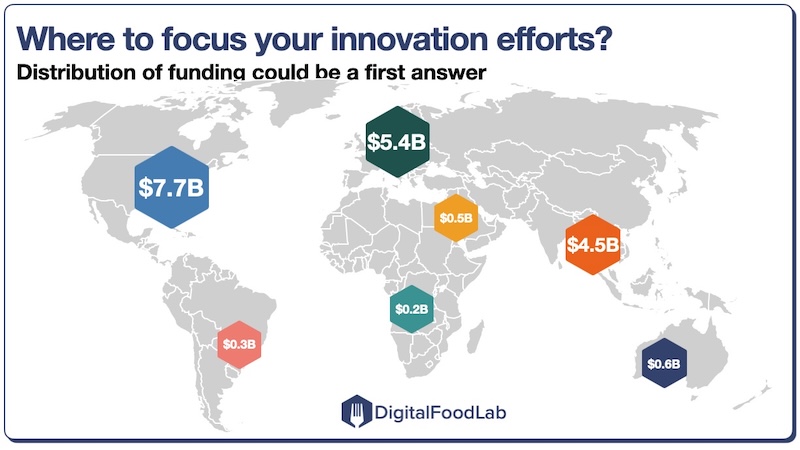
3 NOTABLE DEALS IN EUROPE, 2 IN THE REST OF THE WORLD

📦  🇬🇧  Gousto, the British meal kit unicorn, raised $150M to fuel its growth. With more than 60 recipes, the startup says it is the meal kit (ready-to-cook portioned ingredients and recipes delivered at your door) with the largest offering while being profitable (very few players managed growth and profitability in this space).

Will Gousto join HelloFresh (its main competitor, already public for years) for an IPO this year or in 2023?

🍽️  🇮🇪 Flipdish becomes Ireland’s first FoodTech unicorn. Flipdish already works with 7,000 restaurants by helping them to set up their own online food ordering platform (for takeaway or delivery operated by the restaurant itself or third parties). Flipdish says it acquires more and more customers that are leaving platforms such as Deliveroo.

🚚  🇪🇪  Bolt raised $709M for its free-floating scooters, ride-hailing service and its food delivery services. It delivers restaurant meals and has launched its 15 minutes quick-commerce grocery delivery option (with its own dark stores).
This deal shows both the growing strength of the Eastern Europe ecosystem and the growing appetite of Europe’s startups to go for markets outside of the continent, notably in Africa.

🐟  🇮🇩 eFishery, an Indonesian startup, raised $90M for its software products that help 30,000 shrimp and fish farmers to manage their operations.
The fish industry is still full of opportunities to make it more digital, and it may be one of the food/foodservice sectors with the most interesting B2B startups.

🏪  🇺🇸 Foxtrot, a US-based startup raised $100M for its convenience stores. Founded in 2014, the company is reinventing the corner store as both a “real world” physical place and a digital e-commerce platform. Its 16 stores are a way to drive traffic and operate 30-minutes quick-commerce deliveries (of selected brands, its own private label and meals cooked in the stores).
This model, which combines convenience stores thought as “experience-first”, digital, private label of cooked meals is highly interesting and may have the potential to create a strong brand loyalty (something quick-commerce and meal delivery companies have not succeeded at).

BEYOND FUNDING, WHAT ELSE HAPPENED?

🇬🇧 UK’s healthcare system could save up to £30B a year if the whole population went vegan. While more and more people are making the link between meaty diets and climate change, another angle against animal proteins is their impact on health. A plant-based diet reduces the incidence of many health issues such as diabetes (type 2) and even improves men urological health. Compounded at the level of a nation, this translates into huge sums of money (and years of better health). Will this argument be used by governments to encourage or even incentivise companies and consumers to go plant-based?

🍔 📉 Beyond Meat shares lost 40% since last October. Beyond Meat has even become one of the most shorted stocks (individuals and hedge funds betting it will go down) as sales stagnate.
However, even after that plunge, the company is still traded at 10 times revenues (Tyson Foods’s valuation is… 72% of its revenues).

🖼️  A restaurant will be open only for NFT holders. Flyfish club will be a members-only restaurant. The difference with existing private restaurants is that the access will depend on the possession of an NFT (Non-Fungible Token). Holders will be able to lease them (against money?) on a monthly basis. These will be quite exclusive with a price tag of 2.5 Ether (or around $8,000).

You're in a good company

Join the 60+ clients of Digital FoodLab: leading agrifood companies, retailers, banks, investors, startups, and public organisations.

Use case: project for a global F&B company looking to map its AgTech innovation ecosystem and the best startups to partner with

What we did:

  • Mapping of the AgTech ecosystem: startups, research regulators, and other leading companies.
  • Discussion to select areas to focus on.
  • Analysis of the information to reveal the trends and a model to analyse eventual partners.
  • A workshop to validate the opportunities based on our recommendations.
  • Scouting of relevant partners followed by introductions.

Results:

  • Mapping the different categories of innovations in AgTech that should be considered now to create long-term benefits for the business.
  • Identification of key partners (an incubator and a couple of startups).

Use case: project for a CPG company on the healthy ageing ecosystem

What we did:

  • Education of the board through a couple of workshops to define the perimeter
  • Identification of key opportunities and threats created by long-term evolutions (technologies, business models, behavioural changes).
  • Deep dives on each of the priority categories.
  • Co-construction of a vision on how the company should address these challenges.
  • Identification of partners (startups, incubators, funds) to move forward.

Results:

  • Creating a consensus on which categories to prioritise and how to address them.
  • Implementation of an open innovation strategy through the development of partnerships.

Use case: project for a global CPG company to develop a strategy on the healthy ageing ecosystem

What we do (ongoing mission on a subscription model):

  • Kick-off where we present an overview of the AgriFoodTech ecosystem to select with the client the categories to cover and for each, the level of information required.
  • Monthly newsletter: each month we send a newsletter with the articles that we have gathered ranked by relevance, their summaries, and a layer of analysis.
  • Database: we set up a personalised database that will be filled month after month with the information gathered on the companies identified for the watch.
  • Workshops: twice a year with the client’s innovation team and other “innovation curious” team members, we present an overview of the evolutions, key trends and a dashboard of the topics followed by the watch.

Results:

  • A clear, regular and evolutive tool to follow what is happening in terms of innovation on key topics.
  • A forum (through the workshops) to discuss innovation trends and new opportunities.

Use case: opportunity screening for an ingredient company

What we did:

  • Kick-off to define the perimeter of the ecosystem studied.
  • Mapping of the different trends shaping the innovation ecosystem of the client.
  • Analysis of the trends on DigitalFoodLab’s trend curve and other relevant frameworks.
  • Workshop to discuss DigitalFoodLab’s recommendations on key trends to prioritise

Results:

  • Shared view of the innovation ecosystem for the client with a view of the trends to prioritize.
  • Clear document (personalised trend curve) that can be easily shared internaly to explain the company’s innovation choices and which can be then updated each year.

Use case: scouting for an agriculture coop

What we did:

  • Kick-off to define the perimeter of the client, the goals of the scouting (partnerships) and the criteria on which startups should be evaluated.
  • Set-up scouting: we selected the first batch of 20+ key startups following the criteria of the client.
  • On-going scouting: then we set up a quarterly scouting of about ten startups.
  • For each scouted startup, we created an ID card with key information such as the business and technological maturity, funding, and corporate partnerships. We also added an explanation of why we selected this startup.

Results:

  • An ongoing and evolutive scouting are matching the client's criteria and its capabilities in terms of deal flow.

Use case: working on an acquisition process for a CPG company

What we did:

  • Kick-off to define what the client is seeking, notably in terms of maturity.
  • Workshop with the client based on a mapping of the different innovation ecosystems adjacent to its activities to select some priorities and discuss inspiring examples of startup acquisition stories.
  • Identification of 20+ targets.
  • Workshop to select the most relevant to engage with.
  • DigitalFoodLab worked as a sparing partner during the acquisition process, notably to help design how the acquired startup could be integrated into the overall company’s strategy.

Results:

  • Different results from traditional M&A processes with a focus on the client’s innovation strategy.
  • Identification of a good match for an acquisition.

Use case: market due diligence on sugar alternatives

What we did:

  • Kick-off with the client to discuss its interest on this category, its expectations and existing level of information (notably on the target company).
  • Mapping of the ecosystem to analyse the different existing alternatives and technologies to compare them.
  • Interview (calls) with relevant startups made by our internal biotechnology expert.
  • Recommendation on whether to invest or not.

Results:

  • Clear view of the ecosystem and of the reasons to believe (or not) in each sub-category.
  • Enforceable recommendations based on facts and expertise.