20 FoodTech news to know this week (2026 – week #11)

Published on March 9, 2026

💸 Funding News

🧬🇨🇳 Guoke Xinglian, a Chinese startup, raised $14.6M to scale up its production of lactoferrin (a human milk protein with multiple applications in healthy ageing and baby food) through precision fermentation.


🌿🇫🇷 baCta, a Paris-based startup, raised €7M to produce industrial ingredients using engineered microorganisms. Its first commercial target is astaxanthin (an ingredient with pigment and supplement applications).


🍫🇧🇷 Cellva, a Brazilian startup, raised ~$3.8M for its cocoa-free chocolate ingredient made from upcycled coffee husk.


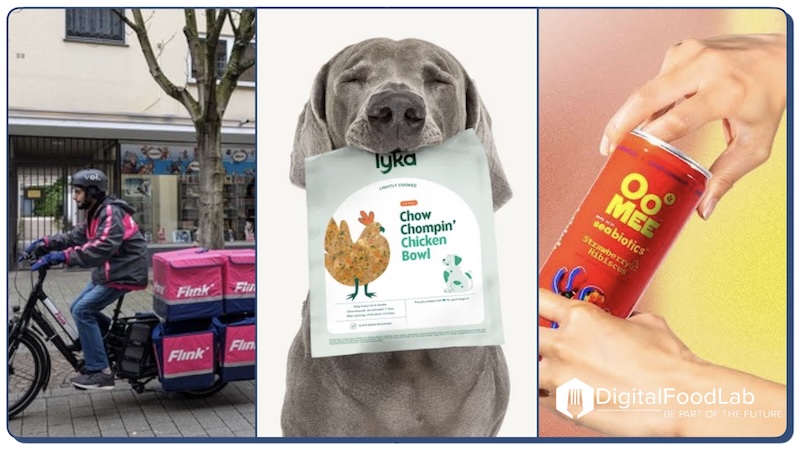
🚀🇩🇪 Flink, a German startup, raised $100M at a $900M valuation for its quick-commerce (grocery delivery in minutes from “dark stores” installed in city centers) platform. It will use the funds to expand in Germany and the Netherlands. Far from being dead (and even thriving in some geographies), is quick-commerce about to have a comeback in Europe?


🍄🇩🇰 Mycoverse, a Danish startup, raised €2.4M for fungal-based biological alternatives to chemical pesticides in potato farming.


🌱🇬🇧 Bindbridge, a UK startup, raised $3.8M for its crop-protection platform, aiming to create a glyphosate replacement.


🌾🇫🇷 Amatera, a French startup, raised €6M to accelerate crop development.


🐟🇳🇴 Biosort, a Norwegian aquaculture startup, raised $10M to commercialise its individual-based sea lice control system for salmon farming.


⚡🇦🇺 PlasmaLeap, an Australian startup, raised ~$19M for its on-farm green fertiliser production units.


🤖🇮🇱 AgriPass, an Israeli startup, raised $7.5M to deploy its robotic weed control platform across the US and Europe.


🌊🇺🇸 Aqua Theon, a US startup, raised $13M to expand OoMee, a seaweed-based functional beverage combining satiety support with “Seabiotics.”


🐾🇦🇺 Lyka, an Australian startup, raised ~$42M for its premium pet nutrition brand.


🍳🇩🇰 FoodOp, a Danish startup, raised €5M to expand its kitchen SaaS (handling menu planning, procurement and sustainability reporting) used by thousands of chefs into the UK and US markets.


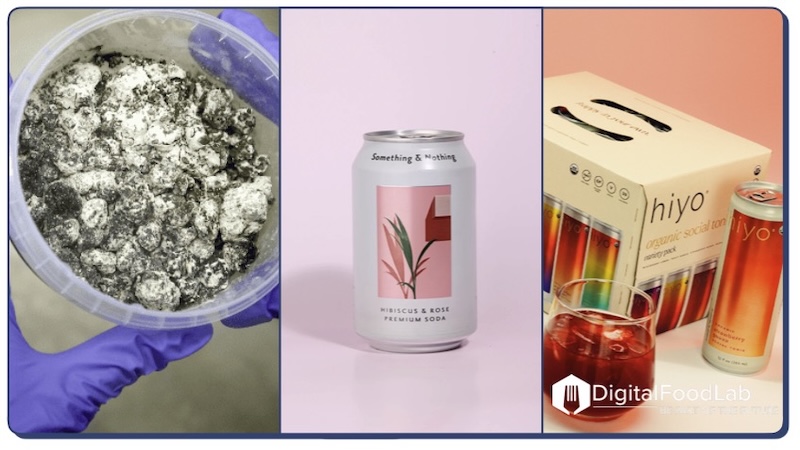
🧴🇬🇧 Shellworks, a London-based startup, raised $15M for its bio-based plastic alternative made by fermenting waste cooking oil with microbes.


⭐ Acquisitions & partnerships

☕🇨🇳 Luckin Coffee, China’s fast-growing coffee chain, is acquiring Blue Bottle, the premium speciality coffee chain, from Nestlé. The deal expands Luckin beyond its Chinese and mass-market roots into higher-end global coffee. Nestlé keeps Blue Bottle’s consumer goods business.


🍺🇬🇧 Tilray acquired BrewDog for $44M, taking over its UK brewing operations and 11 brewpubs in the UK and Ireland. Tilray is separately negotiating BrewDog’s US and Australian assets. That’s come as quite a shock for a brand that was valued at over $2B a few years ago, and it reflects how dire things are for the craft beer market.


🥚🇫🇮 Onego Bio (a Finnish startup) and Sigma Foods signed a collaboration agreement to co-develop egg-free protein solutions using Onego’s egg ingredient produced through precision fermentation.


📊 Leading Companies & Macro Trends

🌜🌱 Scientists have successfully grown and harvested chickpeas in simulated moon dirt, mixing up to 75% lunar regolith simulant with vermicompost and inoculating seeds with beneficial fungi (plants grown in 100% simulated moon soil died before flowering).


🐷🇨🇳 China’s “pig skyscraper” model is going international with an expansion in Vietnam. Driven by land scarcity, labour shortages and concerns about epidemics such as swine fever, these 26-storey-high buildings can host thousands of pigs.


⚠️🌍 The Iran conflict is causing a severe disruption to global fertiliser supply, with 35% of global urea exports and 45% of sulphur exports normally passing through the Strait of Hormuz. Analysts warn this could be worse than the 2022 Ukraine shock, with potential dire consequences for the most vulnerable populations, potentially leading to hunger and famine.

You're in a good company

Join the 60+ clients of Digital FoodLab: leading agrifood companies, retailers, banks, investors, startups, and public organisations.

Use case: project for a global F&B company looking to map its AgTech innovation ecosystem and the best startups to partner with

What we did:

  • Mapping of the AgTech ecosystem: startups, research regulators, and other leading companies.
  • Discussion to select areas to focus on.
  • Analysis of the information to reveal the trends and a model to analyse eventual partners.
  • A workshop to validate the opportunities based on our recommendations.
  • Scouting of relevant partners followed by introductions.

Results:

  • Mapping the different categories of innovations in AgTech that should be considered now to create long-term benefits for the business.
  • Identification of key partners (an incubator and a couple of startups).

Use case: project for a CPG company on the healthy ageing ecosystem

What we did:

  • Education of the board through a couple of workshops to define the perimeter
  • Identification of key opportunities and threats created by long-term evolutions (technologies, business models, behavioural changes).
  • Deep dives on each of the priority categories.
  • Co-construction of a vision on how the company should address these challenges.
  • Identification of partners (startups, incubators, funds) to move forward.

Results:

  • Creating a consensus on which categories to prioritise and how to address them.
  • Implementation of an open innovation strategy through the development of partnerships.

Use case: project for a global CPG company to develop a strategy on the healthy ageing ecosystem

What we do (ongoing mission on a subscription model):

  • Kick-off where we present an overview of the AgriFoodTech ecosystem to select with the client the categories to cover and for each, the level of information required.
  • Monthly newsletter: each month we send a newsletter with the articles that we have gathered ranked by relevance, their summaries, and a layer of analysis.
  • Database: we set up a personalised database that will be filled month after month with the information gathered on the companies identified for the watch.
  • Workshops: twice a year with the client’s innovation team and other “innovation curious” team members, we present an overview of the evolutions, key trends and a dashboard of the topics followed by the watch.

Results:

  • A clear, regular and evolutive tool to follow what is happening in terms of innovation on key topics.
  • A forum (through the workshops) to discuss innovation trends and new opportunities.

Use case: opportunity screening for an ingredient company

What we did:

  • Kick-off to define the perimeter of the ecosystem studied.
  • Mapping of the different trends shaping the innovation ecosystem of the client.
  • Analysis of the trends on DigitalFoodLab’s trend curve and other relevant frameworks.
  • Workshop to discuss DigitalFoodLab’s recommendations on key trends to prioritise

Results:

  • Shared view of the innovation ecosystem for the client with a view of the trends to prioritize.
  • Clear document (personalised trend curve) that can be easily shared internaly to explain the company’s innovation choices and which can be then updated each year.

Use case: scouting for an agriculture coop

What we did:

  • Kick-off to define the perimeter of the client, the goals of the scouting (partnerships) and the criteria on which startups should be evaluated.
  • Set-up scouting: we selected the first batch of 20+ key startups following the criteria of the client.
  • On-going scouting: then we set up a quarterly scouting of about ten startups.
  • For each scouted startup, we created an ID card with key information such as the business and technological maturity, funding, and corporate partnerships. We also added an explanation of why we selected this startup.

Results:

  • An ongoing and evolutive scouting are matching the client's criteria and its capabilities in terms of deal flow.

Use case: working on an acquisition process for a CPG company

What we did:

  • Kick-off to define what the client is seeking, notably in terms of maturity.
  • Workshop with the client based on a mapping of the different innovation ecosystems adjacent to its activities to select some priorities and discuss inspiring examples of startup acquisition stories.
  • Identification of 20+ targets.
  • Workshop to select the most relevant to engage with.
  • DigitalFoodLab worked as a sparing partner during the acquisition process, notably to help design how the acquired startup could be integrated into the overall company’s strategy.

Results:

  • Different results from traditional M&A processes with a focus on the client’s innovation strategy.
  • Identification of a good match for an acquisition.

Use case: market due diligence on sugar alternatives

What we did:

  • Kick-off with the client to discuss its interest on this category, its expectations and existing level of information (notably on the target company).
  • Mapping of the ecosystem to analyse the different existing alternatives and technologies to compare them.
  • Interview (calls) with relevant startups made by our internal biotechnology expert.
  • Recommendation on whether to invest or not.

Results:

  • Clear view of the ecosystem and of the reasons to believe (or not) in each sub-category.
  • Enforceable recommendations based on facts and expertise.