💸 Funding News
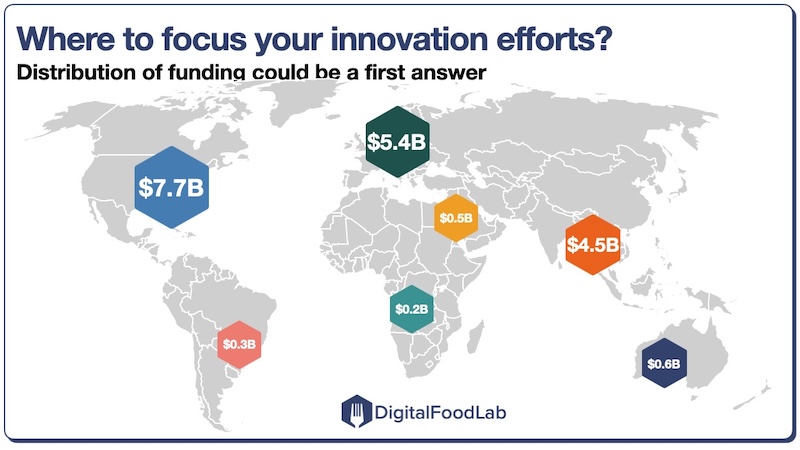
🐶🇺🇸 DASH Dog Food, a US startup, raised $1.5M for its fresh-frozen dog food subscription business and to develop new recipes. It was formerly part of ButcherBox (a successful frozen meat subscription business).
🤖🇺🇸 Confido, a US startup, raised $55M for its back-office platform for consumer brands. The software connects finance, accounting, sales and operations.
🌾🇺🇸 Helios AI, a US startup, raised $3M (notably from grocery groups Tesco, Ahold Delhaize, and Woolworths) for its commodity price platform. It also launched a Hunger Exposure Index that assesses countries’ vulnerability to food shocks based on climate, trade, energy, foreign-exchange and import risks.
🏫🇺🇾 OrderEAT, a Uruguayan startup, raised $2M for its digital platform for school cafeterias across Latin America, with tools covering payments, menus, inventory, nutrition and sales.
🌱🇺🇸 Lilac Agriculture, a US startup, raised $2.3M for its next-generation rhizobial inoculants for pulse crops. Its platform aims to select microbes that both fix nitrogen efficiently and compete successfully against native soil bacteria.
♻️🇸🇬 Life Lab Resources, a Singaporean startup, raised $1M for its biorefinery platform that converts treated food waste into microbial protein for aquaculture and animal feed.
🥟🇮🇳 Protein Pantry, an Indian startup, raised $0.94M for its high-protein vegetarian frozen food brand and to expand through D2C and quick-commerce channels across India.
🌻🇺🇸 South 40 Snacks, a US company, raised nearly $6M to grow its portfolio of sunflower seeds, nut-and-seed bars, dried-fruit bars and other simple-ingredient snacks.
⭐ Acquisitions
🧪🇩🇪 BASF confirmed exploratory talks regarding a potential takeover of Evonik. Beyond chemicals, a deal would combine two major suppliers of ingredients, nutrition and biotechnology solutions, potentially reshaping parts of the B2B food agrifood supply chain.
🍷🇫🇷 French vineyard-management software company Wineriz was acquired by Inqom, a subsidiary of Norwegian software group Visma. The deal gives Inqom a stronger position with accounting firms serving wineries, while Wineriz sees mandatory electronic invoicing as a catalyst for digitising vineyard management.
🤖 AI & automation
🤖🇺🇸 Wonder deployed its first Infinite Makeline robotic food-preparation system, technology it acquired from Sweetgreen. The system automates around 80% of bowl assembly and can produce up to 500 bowls per hour. Automation is arriving, but not as a 100% robotic restaurant, but rather as a support tool that removes a large share of the workload and helps humans focus on the most value-added tasks.
🛒🇺🇸 Walmart ruled out using personal data to set individualised prices, pledging that neither its AI shopping assistant nor electronic shelf labels will change prices based on a shopper’s identity, income, purchase history or perceived willingness to pay. The statement comes as retailers gain increasingly sophisticated AI-driven pricing capabilities and US regulators scrutinise personalised pricing.
🍗🇺🇸 Restaurants are experimenting with AI-generated food imagery for advertising, but the technology can create uncanny textures, shapes and details that make dishes look less appetising rather than more. The backlash illustrates a limit of generative AI in food marketing, where visual authenticity is closely tied to consumers’ expectations of the actual product.
📊 Macro trends
🍔🇺🇸 McDonald’s is adapting its menu to the GLP-1 era, with plans for smaller portions and more protein-focused products such as grilled chicken, wraps and egg bites. The changes are part of an $8.5B, decade-long overhaul as weight-loss drugs and broader wellness trends reshape what consumers expect from fast food.
🍳🇺🇸 The traditional boozy brunch is losing momentum in the US as younger consumers drink less, prioritise wellness and increasingly opt for lunch instead. Restaurants also have operational reasons to favour lunch: dedicated brunch menus can create waste and complexity.
🍠🇵🇭 The Philippines banned exports of fresh ube as global demand outpaces supply. The purple yam has moved rapidly from Filipino cuisine into global coffee-shop and bakery menus, but the country wants to preserve scarce planting material and expand domestic production before exporting more. Processed and frozen ube, the formats mainly used by US and European restaurants, are not covered by the ban.
🥃🇫🇷 Chartreuse has become one of the trendiest spirits despite deliberately constrained supply. The Carthusian monks behind the centuries-old liqueur capped production to protect their monastic life, while scarcity, its secret recipe and growing demand for authentic and distinctive products have helped fuel renewed interest among younger drinkers and cocktail bars.