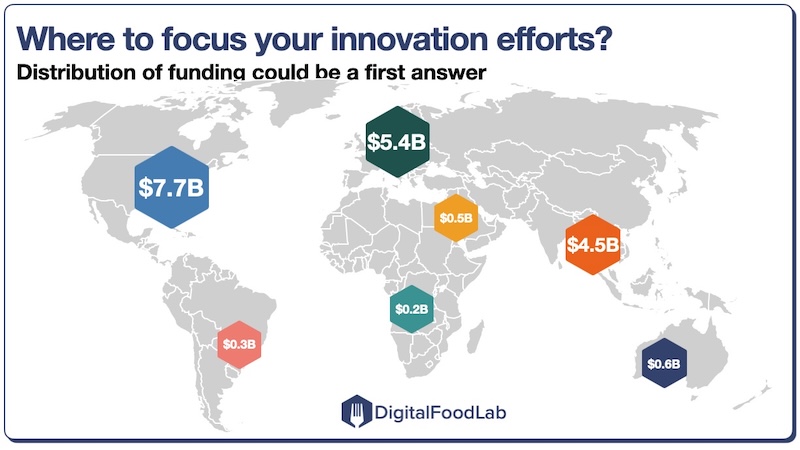
💰 Funding news
🇺🇸👟 NOBULL, a US sportswear brand, raised $50M at a $1B valuation and is bringing in Tom Brady as an investor and board member to expand into nutrition. This development of holistic sport brands is interesting and also shows the potential for new players in the “performance lifestyle” area.
🇺🇸🥥 Coco5, a US startup, raised $10M for its clean-label, coconut water–based hydration drink, and expand the brand beyond sports into the broader wellness space.
🇩🇰🎨 Octarine Bio, a Danish startup, raised €5M to launch its precision-fermented pigment platform for food, textiles, and personal care. It plans to start commercialising its first three pigments this year.
🇺🇸 👶 Foodnerd, a US startup, raised $7.5M for its nutrient-dense puffs targeting kids’ snacks with clean ingredients and functional nutrition.
🇬🇧🤖 Corvera, a UK startup, raised £1.5M for its platform automating FMCG business operations, including demand forecasting, inventory management, and supply chain optimisation.
🇩🇪📦 one.five, a German startup, raised €14M to scale its AI platform that helps packaging suppliers and brands find product–market fit faster and reduce failed launches.
🇩🇪🥩 Innocent Meat, a German startup, raised €6M to develop an automated cellular agriculture platform that directly plugs into existing meat processors’ infrastructure to enable them to produce cultivated meat.
🇳🇱💧 Dripl, a Dutch startup, raised €4M to grow its smart refill stations for offices and hospitality, aiming to replace single-use bottled drinks with on-site flavoured water and functional beverages.
🇫🇮🧪 NPHarvest, a Finnish startup, raised €1.2M to scale its on-site units that capture nitrogen and phosphorus from wastewater streams and turn them into fertiliser products.
🇧🇭🍽️ Eat App, a Bahrain-based startup, raised $10M to accelerate its restaurant reservation and table management platform expansion into India.
🇮🇳🥘 Cumin & Co, an Indian startup, raised $5M to scale R&D and distribution of its kitchenware products targeting Indian households. Kitchenware is not an obvious “FoodTech” category, but like many other food-related DTC (direct-to-consumer) spaces, looking at what innovative players are doing, notably when they succeed, is a great way to spot trends. It is also quite exciting to observe the Indian DTC space, which has recently emerged with hundreds of “cool” brands.
🇮🇳🍪 Troovy, an Indian startup, raised $5M in Series A to grow its no-added-sugar, fortified kids’ snacks and expand across India.
📊 Leading Companies & Macro Trends
🇺🇸📉 Worst in Show products for CES 2026 include AI-driven food appliances. In many instances, the use of artificial intelligence (AI) was judged either useless or invasive. Samsung’s smart fridge was supposed to respond to voice commands, notably to open and close its doors, but was often unresponsive due to ambient noise. Another contender for the “Worst in Show” title was an espresso machine with a subscription model for using its AI interface. These examples, along with others, show that many companies still struggle to leverage AI to create meaningful value for consumers.
🇺🇸🧫 Arizona lawmakers proposed a bill to ban cultivated meat with penalties including up to five years in prison for producing or selling it, framing it as a threat to ranching. The culture war around meat alternatives is heating up and getting slightly out of touch with reality.
🇺🇸 🍅 Berkshire Hathaway is considering exiting most of its $7.7B stake in Kraft Heinz, marking a likely end to a decade-long, poorly performing investment. The rumour triggered a ~7% drop in share price. The move follows years of weak returns since the 2015 merger between Kraft and Heinz.
🇫🇷🥛 Danone and Lactalis initiated recalls and controls over contamination concerns in infant formula dairy products.
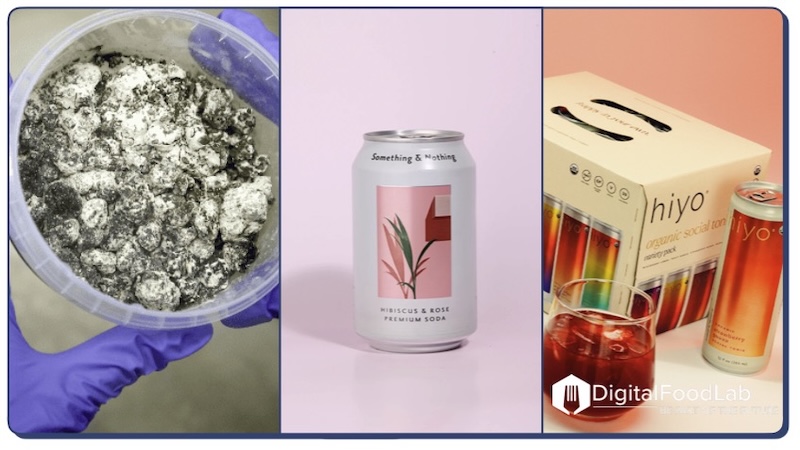
🇺🇸😴 Sleep-aid drinks are booming in the US, with brands pitching magnesium, botanicals, and functional ingredients as alternatives to alcohol and screens in the evening routine.